Common Dental Problems in Adults and Their Treatments Explained
Understand the most common adult dental issues, their causes, symptoms, and modern treatments.
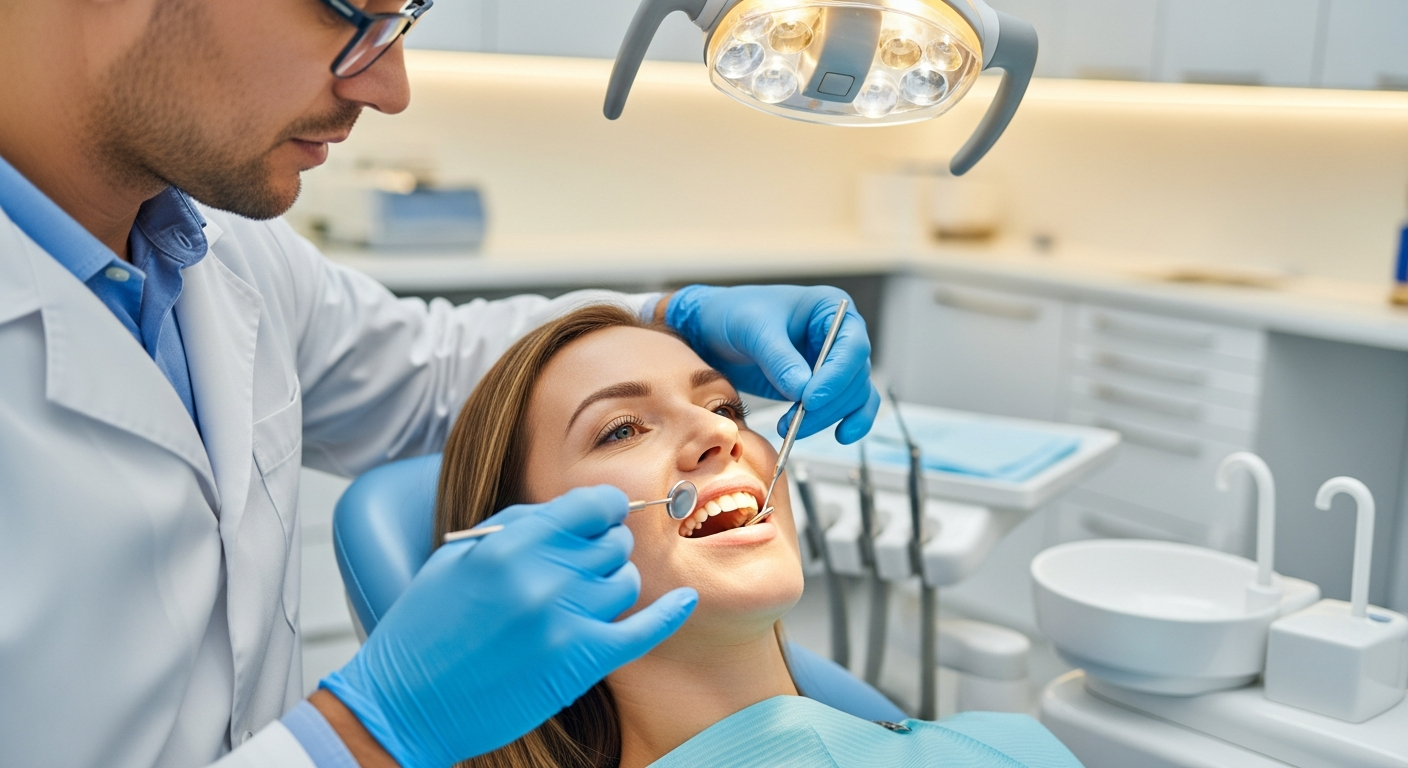
Dental health is crucial at every age, but adults face unique challenges as teeth and gums age. From minor tooth sensitivity to serious gum disease, understanding common dental problems helps in early detection and effective treatment.
This guide explains the most common dental problems in adults, their causes, symptoms, and modern treatment options to help maintain long-term oral health.
1. Tooth Decay (Cavities)
Tooth decay, commonly called cavities, is one of the most frequent dental issues among adults. It happens when acids produced by bacteria in dental plaque gradually eat away at the tooth's hard outer layer (enamel), creating holes or weak spots. If left untreated, decay can reach the inner layers of the tooth, causing pain, infection, and even tooth loss.
Causes of Tooth Decay
Poor oral hygiene
Not brushing and flossing regularly allows plaque—a sticky layer of bacteria—to build up on teeth. Plaque bacteria feed on sugars from food and drinks and produce acids that attack enamel.
Frequent consumption of sugary or acidic foods
Foods high in sugar (candies, desserts, soft drinks) and acidic drinks (citrus juices, soda) provide fuel for bacteria to produce enamel-eroding acids.
Dry mouth conditions
Saliva naturally protects teeth by washing away food particles and neutralizing acids. Conditions like dry mouth (xerostomia) or medications that reduce saliva flow can increase the risk of cavities.
Symptoms of Tooth Decay
Toothache or sharp pain
Persistent or occasional tooth pain, especially when biting or chewing, can signal that decay has reached the inner layers of the tooth.
Visible holes or pits in teeth
Cavities may appear as dark spots, pits, or small holes on the tooth surface, which can worsen over time if untreated.
Sensitivity to hot, cold, or sweet foods
Exposed dentin or enamel erosion can make teeth highly sensitive, causing discomfort when consuming certain foods or beverages.
Treatment Options
Dental fillings
For small to moderate cavities, dentists remove the decayed part of the tooth and fill it with materials such as composite resin (tooth-colored) or amalgam (metal-based) to restore structure and function.
Root canal therapy
If decay reaches the pulp (inner tissue containing nerves and blood vessels), a root canal removes the infected tissue, disinfects the canals, and seals them. This prevents further infection and preserves the tooth.
Crowns
Severely weakened or extensively decayed teeth may require a dental crown, a cap that covers and strengthens the tooth, restoring its shape and chewing ability.
Prevention Tips
Regular brushing and flossing
Brush twice daily with fluoride toothpaste and floss once daily to remove plaque from between teeth and prevent cavity formation.
Limit sugary foods
Reducing sugar and acidic food intake lowers the fuel for bacteria that produce enamel-eroding acids.
Professional dental cleanings
Regular check-ups and professional cleanings remove hardened plaque (tartar) that cannot be removed with brushing alone, preventing cavities and other oral problems.
2. Gum Disease (Gingivitis & Periodontitis)
Gum disease is a common oral health problem that affects the gums (soft tissue) and the supporting bone around your teeth. It starts as gingivitis, which is mild inflammation of the gums, and can progress to periodontitis, a more severe condition that damages the bone and tissues supporting your teeth. If left untreated, gum disease can lead to tooth loss and other health complications.
Causes of Gum Disease
Poor oral hygiene
Failing to brush and floss regularly allows plaque—a sticky layer of bacteria—to build up on teeth and along the gumline. Over time, this causes inflammation and infection.
Smoking or tobacco use
Tobacco weakens the immune system, making it harder for the body to fight infections like gum disease. Smokers are at higher risk for both developing and worsening gum problems.
Hormonal changes in adults
Hormonal fluctuations during pregnancy, menopause, or menstruation can make gums more sensitive and prone to inflammation, increasing the risk of gingivitis.
Symptoms of Gum Disease
Red, swollen, or bleeding gums
Early gum disease often causes gums to become red, puffy, or tender. Gums may bleed easily when brushing or flossing.
Bad breath
Persistent bad breath (halitosis) is often caused by bacteria in infected gums and plaque buildup.
Loose teeth in advanced stages
As periodontitis progresses, the supporting bone is destroyed, leading to tooth mobility and potential tooth loss.
Treatment Options
Professional scaling and root planing
This deep-cleaning procedure removes plaque and tartar from above and below the gumline and smooths the tooth root to help gums reattach.
Antibiotic therapy
Dentists may prescribe topical or oral antibiotics to reduce bacterial infection in the gums.
Surgical procedures for advanced cases
Severe gum disease may require flap surgery, bone grafts, or guided tissue regeneration to repair damaged gum and bone tissue.
Prevention Tips
Daily brushing and flossing
Brushing twice a day and flossing daily removes plaque before it can harden into tartar, preventing gum inflammation.
Regular dental check-ups
Professional cleanings every 6 months can catch early signs of gum disease before it progresses.
Avoid tobacco
Quitting smoking or using tobacco significantly reduces the risk of developing severe gum disease.
3. Tooth Sensitivity
Tooth sensitivity is a common dental problem that affects many adults. It occurs when the protective layers of the teeth—enamel and gums—are compromised, exposing the underlying dentin. Dentin contains tiny tubules that connect to the nerves of the tooth, so when it is exposed, it can cause sharp pain or discomfort in response to stimuli like hot, cold, sweet, or acidic foods and drinks.
Causes of Tooth Sensitivity
Acidic foods
Frequent consumption of acidic foods or drinks (like citrus fruits, sodas, or vinegar-based foods) can erode the enamel over time. Thinner enamel exposes the dentin, increasing sensitivity.
Teeth grinding (Bruxism)
Grinding or clenching teeth wears down the enamel and can lead to gum recession, both of which contribute to sensitivity.
Gum recession
Receding gums, caused by aging, gum disease, or aggressive brushing, expose the tooth roots. The roots are not covered by enamel and are highly sensitive.
Symptoms of Tooth Sensitivity
- Sharp, sudden pain when consuming hot, cold, sweet, or acidic foods and beverages
- Discomfort when brushing or flossing
- Occasional throbbing or tingling in affected teeth
Treatment Options
Desensitizing toothpaste
Special toothpastes contain compounds that block the pathways to the tooth nerve, reducing pain over time with regular use.
Fluoride treatments
Professional fluoride applications strengthen enamel and reduce sensitivity by protecting exposed dentin.
Dental bonding or veneers
For severe cases, dentists may apply bonding material or porcelain veneers to cover exposed roots or worn enamel, providing long-term protection and improving aesthetics.
Prevention Tips
Avoid acidic and sugary foods
Limiting foods and beverages that erode enamel can help reduce sensitivity.
Use a soft-bristled toothbrush
Gentle brushing prevents further enamel wear and protects gums from receding.
Wear a night guard if you grind your teeth
A custom night guard reduces enamel wear caused by grinding or clenching during sleep.
4. Tooth Discoloration
Tooth discoloration is a common dental issue where teeth lose their natural white or off-white shade. While it doesn't always affect tooth function, discoloration can impact confidence and overall appearance. Discoloration can be extrinsic (surface stains) or intrinsic (internal staining), depending on the cause.
Causes of Tooth Discoloration
Coffee, tea, red wine
Beverages with strong pigments contain chromogens that stick to tooth enamel, gradually causing surface stains. Regular consumption intensifies discoloration over time.
Tobacco use
Smoking or chewing tobacco deposits nicotine and tar on teeth, leading to stubborn yellow or brown stains that are difficult to remove with regular brushing.
Trauma or medication
Injuries to teeth can damage the inner layers, causing darkening. Certain medications (like tetracycline antibiotics taken during childhood) can also result in intrinsic staining.
Symptoms of Tooth Discoloration
- Yellowing of teeth over time
- Brown or dark stains, especially on the front teeth
- Uneven coloring or dull appearance
Treatment Options
Professional teeth whitening
Dentists use bleaching agents that penetrate enamel to remove both surface and deep stains. In-office whitening provides faster and more effective results than over-the-counter products.
Veneers or bonding for severe cases
For teeth that are heavily discolored or resistant to whitening, dentists may apply porcelain veneers or dental bonding. These cover the tooth surface, providing a uniform, bright appearance.
Prevention Tips
Maintain oral hygiene
Brush twice daily and floss regularly to remove plaque and surface stains before they set in.
Avoid staining foods and beverages
Reduce intake of coffee, tea, red wine, and dark-colored sauces to minimize surface discoloration.
Regular professional cleanings
Dental cleanings remove tartar and surface stains that cannot be removed at home, keeping teeth brighter and healthier.
5. Cracked or Chipped Teeth
Cracked or chipped teeth are common in adults and occur when the structural integrity of a tooth is compromised. This can result from trauma, biting hard foods, or chronic habits like teeth grinding (bruxism). Depending on severity, cracks or chips can affect appearance, sensitivity, and even tooth function.
Causes of Cracked or Chipped Teeth
Injury or trauma
Accidents, falls, or sports-related impacts can chip or crack teeth, especially front teeth which are more exposed.
Teeth grinding (Bruxism)
Habitual grinding or clenching puts excessive pressure on teeth, gradually causing cracks or chips over time.
Biting hard objects
Chewing ice, hard candies, or using teeth to open objects can weaken enamel and lead to fractures.
Symptoms of Cracked or Chipped Teeth
Pain while chewing
You may feel discomfort or sharp pain when biting down, especially if the crack extends to the inner layers of the tooth.
Sensitivity
Exposure of dentin or pulp can cause sensitivity to hot, cold, or sweet foods and drinks.
Visible cracks or chips
Small chips may appear as minor surface damage, while larger cracks can be more noticeable and affect the tooth's shape.
Treatment Options
Dental bonding for small chips
A tooth-colored resin is applied to fill minor chips, restoring the tooth's shape and appearance.
Crowns for large cracks
Severely cracked teeth may require a crown, a cap that covers the tooth, strengthens it, and restores normal function.
Root canal therapy if the pulp is affected
If a crack reaches the pulp (inner tissue containing nerves and blood vessels), root canal treatment removes the damaged tissue and prevents infection, followed by a crown for protection.
Prevention Tips
Wear a mouthguard during sports
Protective gear reduces the risk of tooth injury during contact sports or physical activities.
Avoid biting hard objects
Do not use teeth to bite ice, pens, or hard candies that can chip enamel.
Address teeth grinding issues
Wearing a night guard or managing stress-related grinding prevents cracks and prolongs tooth health.
6. Dental Abscess (Infections)
A dental abscess is a serious oral health condition where a pocket of pus forms due to bacterial infection in the tooth or surrounding gums. It usually results from untreated cavities, gum disease, or trauma to the tooth. If ignored, the infection can spread to other parts of the body, making early treatment critical.
Causes of Dental Abscess
Untreated cavities
Deep decay allows bacteria to reach the pulp (the inner tissue of the tooth), causing infection and pus formation.
Gum disease
Severe gum infections can reach the supporting structures of teeth, creating abscesses in the gums or jawbone.
Trauma or cracked teeth
Cracks or chips provide a pathway for bacteria to enter the tooth, leading to infection.
Symptoms of a Dental Abscess
Severe, throbbing toothache
Pain is often intense, persistent, and may radiate to the jaw, ear, or neck.
Swelling in the gums or face
Infected areas may appear red, swollen, and tender to touch. Facial swelling can occur in more severe cases.
Fever or general malaise
Infection can trigger systemic symptoms like fever, fatigue, or a general feeling of being unwell.
Treatment Options
Drainage of abscess
The dentist makes a small incision to drain pus and reduce pressure, relieving pain and removing infection.
Root canal treatment
If the infection is inside the tooth, root canal therapy removes the infected pulp, disinfects the canals, and seals the tooth to prevent recurrence.
Antibiotics for infection
Antibiotics are prescribed to control bacterial spread, especially if the infection is severe or at risk of spreading.
Extraction in severe cases
When a tooth is too damaged or the infection cannot be controlled, removal of the tooth may be necessary to protect overall oral and systemic health.
Prevention Tips
Treat cavities early
Addressing tooth decay promptly prevents bacteria from reaching the pulp and forming abscesses.
Maintain oral hygiene
Brushing twice daily, flossing, and using mouthwash reduces plaque and bacteria buildup, lowering the risk of infection.
Regular dental check-ups
Routine dental visits allow early detection of cavities, gum disease, or cracks before they develop into serious infections.
7. Tooth Loss
Tooth loss is a common dental problem in adults that can occur due to tooth decay, advanced gum disease, or physical trauma. Losing teeth not only affects appearance and self-confidence but also impacts chewing, speech, and jawbone health. Fortunately, modern dentistry offers several effective solutions to replace missing teeth and restore function.
Causes of Tooth Loss
Tooth decay
Untreated cavities that reach deep into the tooth can destroy its structure, sometimes necessitating extraction.
Gum disease
Advanced gum disease (periodontitis) weakens the bone and tissues supporting teeth, causing them to become loose and eventually fall out.
Trauma or injury
Accidents, sports injuries, or bites from hard objects can cause teeth to break or be knocked out.
Treatment Options for Tooth Loss
Dental implants: Permanent tooth replacement
Implants are titanium posts surgically placed into the jawbone. They act as a stable foundation for crowns or bridges, offering a permanent and natural-looking tooth replacement.
Bridges: Fixed prosthetics
Bridges replace one or more missing teeth by anchoring artificial teeth to the adjacent natural teeth. They restore function and aesthetics without surgery in many cases.
Dentures: Removable replacements
Dentures are removable appliances that replace several or all missing teeth. They are a practical and cost-effective solution, though less stable than implants.
Prevention Tips for Tooth Loss
Maintain oral hygiene
Brush twice daily, floss regularly, and use mouthwash to prevent decay and gum disease that could lead to tooth loss.
Treat gum disease early
Early intervention for gum infections helps preserve the supporting structures of teeth and reduces the risk of them loosening or falling out.
Avoid injuries to teeth
Wearing mouthguards during sports and avoiding biting hard objects can prevent trauma-related tooth loss.
8. Bad Breath (Halitosis) Explained
Bad breath, medically known as halitosis, is a common problem among adults. While occasional bad breath after certain foods is normal, persistent bad breath often signals underlying dental or oral health issues. Addressing the root cause is essential for long-term fresh breath and oral health.
Causes of Bad Breath
Poor oral hygiene
Inadequate brushing and flossing allow food particles and bacteria to accumulate in the mouth, producing sulfur compounds that cause bad odor.
Gum disease
Infections of the gums (gingivitis or periodontitis) produce foul-smelling bacteria, which can lead to persistent halitosis.
Tooth decay
Cavities and decayed teeth can harbor bacteria and debris, contributing to bad breath.
Dry mouth (Xerostomia)
Saliva naturally washes away bacteria and food particles. Reduced saliva flow, caused by dehydration, medications, or medical conditions, increases the risk of bad breath.
Treatment Options
Professional cleaning
Dental cleaning removes plaque, tartar, and bacteria that accumulate on teeth and gums, helping to eliminate odor at its source.
Treat underlying infections
Addressing cavities, gum disease, or abscesses removes the bacteria causing the smell, preventing recurrence of bad breath.
Maintain oral hygiene at home
Brushing, flossing, and tongue cleaning remove bacteria daily and prevent odor from developing.
Prevention Tips
Brush and floss twice daily
Regular brushing removes plaque and food debris from teeth, while flossing cleans areas between teeth that brushing can't reach.
Clean the tongue
The tongue can trap bacteria and food particles. Using a tongue scraper or brushing the tongue helps prevent halitosis.
Regular dental check-up
Routine dental visits help detect problems like cavities, gum disease, or infections early, which can cause persistent bad breath.
9. Teeth Grinding (Bruxism)
Bruxism is a condition where adults grind or clench their teeth, often unconsciously during sleep. Over time, this habit can damage teeth, strain the jaw muscles, and cause other oral health problems. Early detection and management are important to prevent long-term dental damage.
Causes of Teeth Grinding
Sleep-related bruxism
Many adults grind their teeth during sleep due to subconscious habits or sleep disorders like sleep apnea.
Stress and anxiety
Emotional tension can lead to clenching or grinding teeth during the day or at night.
Dental misalignment
Misaligned teeth or bite issues may cause uneven pressure during chewing, increasing the risk of grinding.
Symptoms of Bruxism
Worn or cracked teeth
Constant grinding wears down enamel, and severe cases can cause cracks, chips, or flattening of teeth.
Jaw pain or headaches
Strain on jaw muscles and temporomandibular joints (TMJ) can cause pain in the jaw, temples, or around the ear.
Teeth sensitivity
Enamel wear exposes dentin, leading to sensitivity to hot, cold, or sweet foods.
Treatment Options
Night guards
Custom-made dental appliances worn during sleep protect teeth from grinding and reduce stress on jaw muscles.
Stress management
Techniques like meditation, exercise, and therapy can reduce stress-related grinding.
Corrective dental procedures
In cases of misaligned teeth, dentists may recommend orthodontic treatments or reshaping teeth to reduce grinding risk.
Prevention Tips
Reduce stress
Stress management through relaxation techniques can minimize daytime and nighttime grinding.
Avoid chewing hard objects
Habits like chewing ice, pens, or hard candies put extra strain on teeth, worsening bruxism.
Use protective dental devices
Night guards and bite splints prevent tooth damage and relieve jaw muscle strain.
Tips to Prevent Common Dental Problems in Adults
- Brush twice daily with fluoride toothpaste
- Floss regularly to remove plaque
- Limit sugary and acidic foods
- Avoid tobacco products
- Visit your dentist for regular check-ups
- Use mouthguards if you play contact sports
- Address dental problems early to prevent complications
Conclusion
Adult dental problems are common but manageable with proper care, early detection, and timely treatment. From cavities to gum disease and tooth loss, modern dentistry offers effective solutions for every issue.
Maintaining good oral hygiene, regular dental visits, and healthy habits are the best ways to ensure a long-lasting, healthy smile.
By staying proactive, adults can prevent most dental problems and enjoy optimal oral health for years to come.
❓ Frequently Asked Questions (FAQs)
The most common dental problems in adults include cavities, gum disease, tooth sensitivity, tooth discoloration, cracked or chipped teeth, and tooth loss. Early detection and proper treatment are key to preventing complications.
Regular brushing with fluoride toothpaste, flossing daily, limiting sugary foods and drinks, and visiting your dentist for routine check-ups are the most effective ways to prevent cavities and tooth decay.
Early signs of gum disease include red, swollen, or bleeding gums, persistent bad breath, and gum recession. If untreated, it can progress to periodontitis, causing tooth mobility and bone loss.
Tooth sensitivity can be managed with desensitizing toothpaste, fluoride treatments, dental bonding, or addressing underlying issues such as enamel erosion or gum recession.
Any visible crack or chip, or pain when chewing, should be evaluated by a dentist. Treatment options include dental bonding, crowns, or, in severe cases, root canal therapy to restore function and prevent infection.
Maintaining oral health involves consistent oral hygiene, avoiding tobacco, eating a balanced diet, addressing dental problems early, and scheduling regular dental check-ups for professional cleaning and evaluation.