Cracked Tooth? When Do You Need a Dental Crown in Bathinda?
A complete guide to understanding tooth cracks, recognizing when a crown is necessary, and what to expect from the crown procedure at Dental Wellness Bathinda.
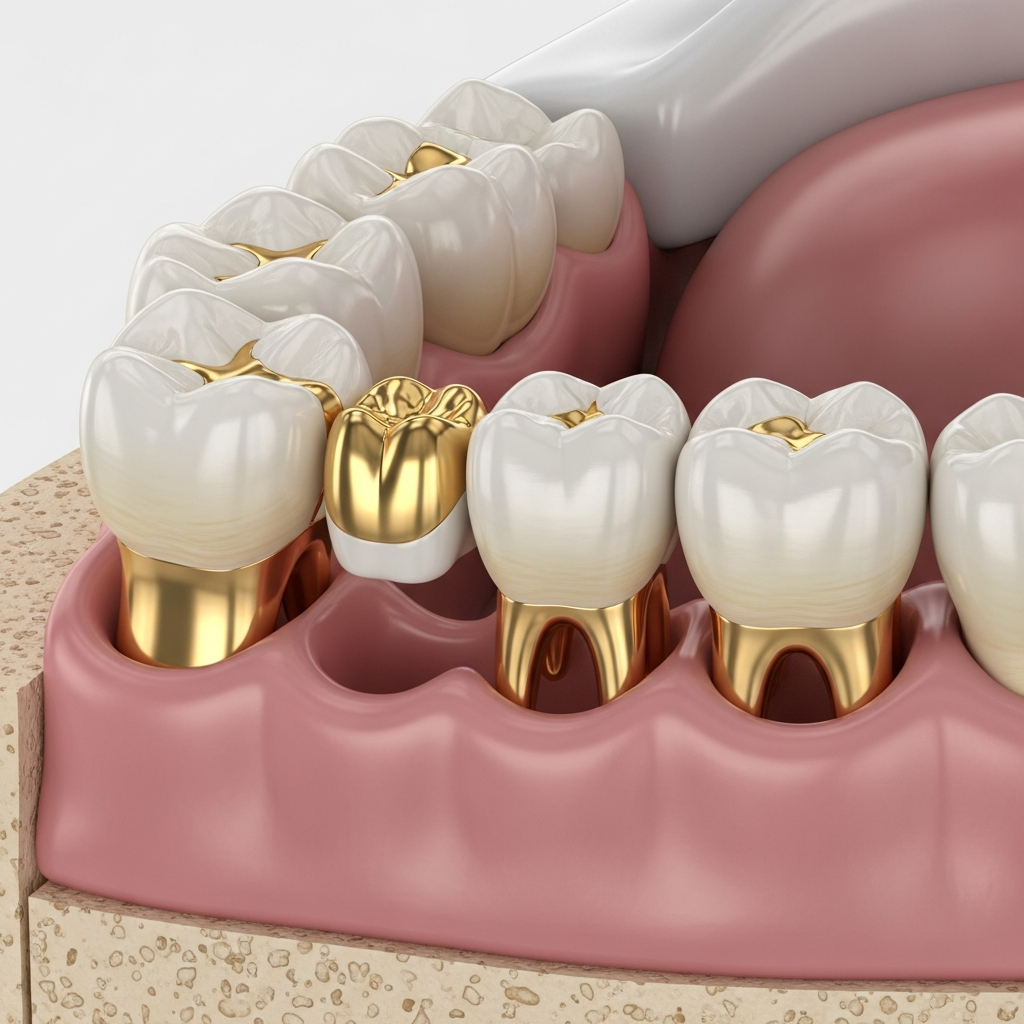
That sharp, fleeting pain when you bite down on something. The sudden sensitivity when you sip a hot cup of chai. The feeling that something in your tooth is "off" — but there's nothing visibly wrong when you look in the mirror.
These could all be signs of a cracked tooth — and cracked teeth are far more common than most people realize. In fact, cracked tooth syndrome is one of the leading causes of tooth pain in adults over 30.
The critical question is: does your cracked tooth need a dental crown? The answer depends on the type, severity, and location of the crack — and this guide will help you understand exactly when a crown becomes necessary, what the procedure involves, and how to protect your smile for years to come at Dental Wellness Bathinda.
What Causes Teeth to Crack?
Teeth are incredibly strong — ounce for ounce, tooth enamel is harder than steel. But they are not immune to cracking. Common causes include:
1. Biting on Hard Foods
Hard foods like ice, hard candy, unpopped popcorn kernels, or bones are a leading cause of tooth cracks. A single forceful bite on something unexpectedly hard is enough to crack a tooth.
2. Teeth Grinding (Bruxism)
Chronic teeth grinding — often during sleep — puts enormous pressure on teeth. Over time, this repetitive stress creates microcracks that deepen progressively, eventually requiring intervention.
3. Large Dental Fillings
Teeth that have large fillings are structurally compromised. The filling takes up space that was once tooth, weakening the surrounding walls. These teeth are significantly more vulnerable to cracking.
4. Trauma or Injury
Sports injuries, falls, or accidents that involve a blow to the mouth can crack teeth — sometimes visibly, sometimes in ways that only become apparent later as pain develops.
5. Sudden Temperature Changes
Repeatedly consuming very hot then very cold foods and drinks causes the enamel to expand and contract rapidly, weakening its structure over time and causing craze lines or deeper cracks.
6. Age
As we age, enamel naturally becomes more brittle. People over 40 are statistically more likely to develop tooth cracks, particularly in molars that bear the brunt of chewing forces.
7. After Root Canal Treatment
A tooth that has had root canal treatment becomes more brittle because the internal pulp tissue — which provides moisture and nutrients — has been removed. These teeth are at high risk of cracking and almost always require a crown.
Types of Tooth Cracks: Not All Are Equal
Understanding the type of crack is crucial because it determines the appropriate treatment. Here are the five main categories:
1. Craze Lines
Tiny surface cracks in the outer enamel only. They cause no pain and don't extend into deeper tooth layers. Mostly cosmetic. No treatment usually needed — can be polished if visible.
2. Fractured Cusp
A piece of the chewing surface breaks off — often around an old filling. Rarely affects the pulp. Usually treated with a new filling or dental crown, depending on size.
3. Cracked Tooth
A crack extends from the chewing surface toward the root. May or may not reach the pulp. If it hasn't reached the pulp — a crown can save the tooth. If it has — root canal plus crown is needed.
4. Split Tooth
The tooth has split into two segments. Result of an untreated cracked tooth. Rarely can the entire tooth be saved. Sometimes one segment can be preserved with crown, sometimes extraction is needed.
5. Vertical Root Fracture
Crack begins in the root and extends upward. Causes minimal symptoms initially but often leads to infection. Frequently requires extraction. Very difficult to detect without X-rays or CBCT.
Signs You May Have a Cracked Tooth
Cracked teeth are notoriously difficult to diagnose because the crack is often invisible to the naked eye. Here are the hallmark symptoms to watch for:
- Sharp pain when biting or releasing pressure — the classic sign. The pain appears and disappears quickly, making it difficult to pinpoint.
- Sensitivity to hot and cold that lingers after the temperature is removed.
- Intermittent pain — not constant, which is what makes cracked tooth syndrome tricky to diagnose.
- Swelling of gums near the affected tooth.
- Visible crack or chip when examining in a mirror.
- Discomfort when chewing on one side but difficulty identifying which specific tooth is causing it.
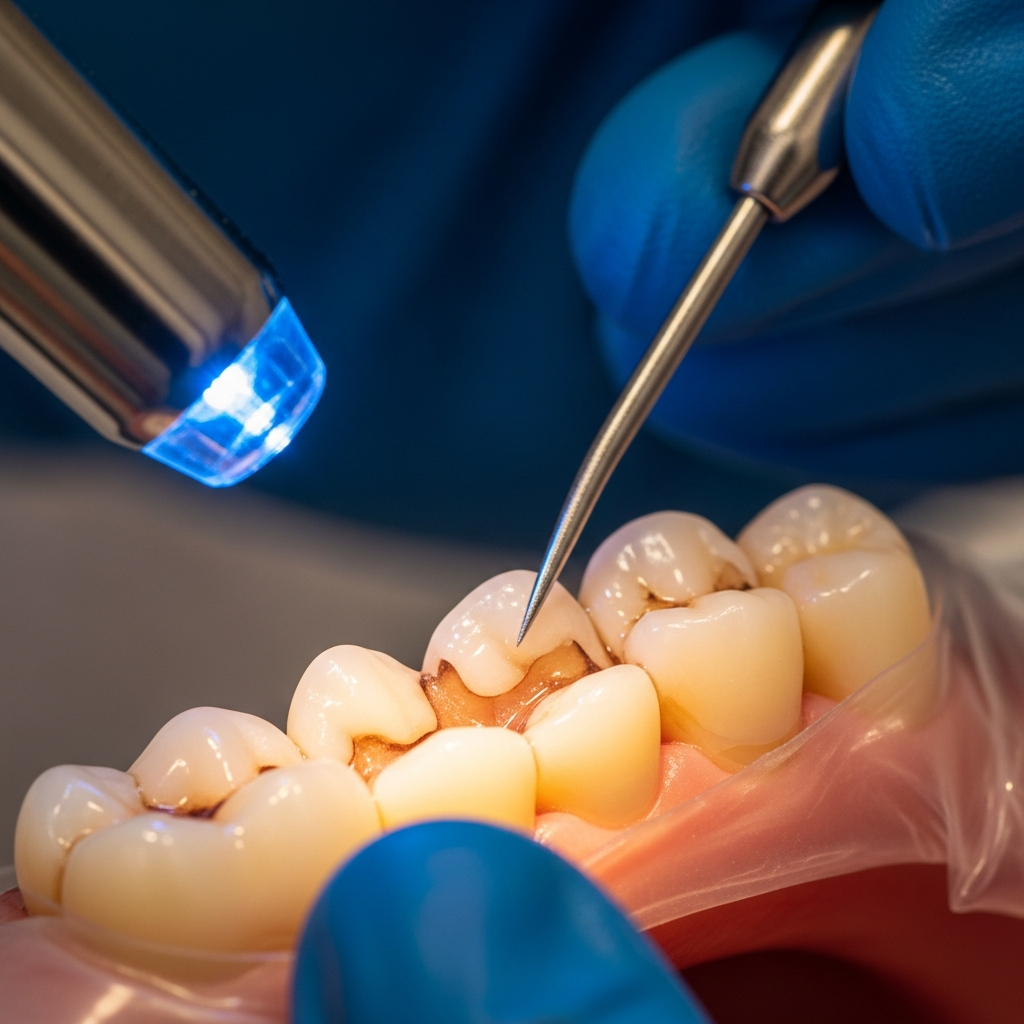
If you experience any of these symptoms, schedule an appointment at Dental Wellness Bathinda promptly. Our specialist uses dental probes, special dyes, transillumination, and X-rays to identify even invisible cracks precisely.
When Does a Cracked Tooth Definitely Need a Crown?
A dental crown is specifically recommended in the following situations:
✅ 1. The Crack Is Deep Enough to Risk Spreading
Even if you have no symptoms, a crack that extends significantly into the tooth structure will worsen with every bite. A crown wraps around the entire tooth like a protective shell — holding the cracked pieces together and preventing the crack from deepening.
✅ 2. After Root Canal Treatment
Any tooth that has had a root canal is significantly more brittle and vulnerable to fracture. A dental crown is almost always placed after root canal treatment to protect the treated tooth and restore full function.
✅ 3. A Large Portion of the Tooth Has Broken Off
When a fractured cusp or large portion of the tooth breaks away, a simple filling is not strong enough to restore the full structure. A crown rebuilds and protects the tooth completely.
✅ 4. The Tooth Has a Very Large Filling
When more than half of the tooth's chewing surface is covered by filling material, the remaining tooth walls are at high risk of cracking. A crown covers and protects these weakened walls.
✅ 5. Cracked Tooth Causing Pain or Sensitivity
Pain or sensitivity when biting indicates the crack is affecting the pulp or dentinal tubules. A crown is essential to relieve symptoms and prevent further damage.
✅ 6. Cosmetically Damaged Tooth
Heavily chipped, cracked, or discolored teeth that affect your smile aesthetics can be beautifully restored with a full porcelain or zirconia crown.
Types of Dental Crown Materials
Modern dental crowns are available in several materials, each with distinct advantages. Our team at Dental Wellness Bathinda will recommend the best material based on the tooth's location, your bite strength, and your aesthetic goals.
Zirconia Crown
Strongest material. Excellent aesthetics. Metal-free. Ideal for back and front teeth.
Full Porcelain
Most natural appearance. Best for front teeth. Not as strong as zirconia under heavy biting.
Porcelain-Fused-to-Metal (PFM)
Strong metal core with porcelain exterior. Good balance of strength and aesthetics.
All-Metal (Gold/Alloy)
Extremely durable. Ideal for back molars where chewing forces are highest. Not aesthetic.
| Material | Strength | Aesthetics | Best For | Approx. Lifespan |
|---|---|---|---|---|
| Zirconia | Excellent | Excellent | All teeth | 15–20+ years |
| Full Porcelain | Good | Best | Front teeth | 10–15 years |
| PFM | Very Good | Good | All teeth | 10–15 years |
| All-Metal | Excellent | Poor | Back molars | 20+ years |
The Dental Crown Procedure: Step by Step
Examination & X-Rays
The dentist thoroughly examines the cracked tooth using visual inspection, probes, bite tests, and digital X-rays or CBCT scans. This determines the extent of the crack and whether root canal treatment is needed before crowning.
Root Canal (If Required)
If the crack has extended into the pulp (nerve) of the tooth, root canal treatment is completed first to remove infection and prevent further nerve damage. The crown is placed after the root canal is completed.
Tooth Preparation
Under local anesthesia, the tooth is reshaped — removing a thin layer from all surfaces — to create space for the crown to fit over it without looking bulky. This is precise, controlled, and painless.
Impressions & Temporary Crown
Detailed digital or physical impressions of the prepared tooth are taken and sent to our dental laboratory. A temporary crown is placed to protect the tooth while your permanent crown is fabricated (1–2 weeks).
Permanent Crown Placement
Your custom crown is tried on, checked for fit, color, and bite, and then permanently cemented in place with dental adhesive. Adjustments are made as needed. Your tooth is immediately restored to full function and appearance.
Caring for Your Dental Crown
Immediately After Crown Placement
- Avoid hard or sticky foods for the first 24 hours while the cement fully sets.
- Some sensitivity to temperature is normal for 1–2 weeks and resolves on its own.
- If your bite feels uneven, contact us immediately — a minor adjustment quickly resolves this.
Long-Term Crown Care
- Brush twice daily and pay special attention to the crown margin (where crown meets gum).
- Floss daily — gently guide floss down the sides of the crown to the gumline.
- Avoid chewing very hard foods like ice, hard nuts, or jawbreakers that could chip the crown.
- Wear a nightguard if you grind your teeth — this is the single biggest protective measure for crowns.
- Visit for checkups every 6 months — we'll examine crown margins, check for any wear, and professionally clean around the crown.
What Happens If You Don't Treat a Cracked Tooth?
Many patients delay treatment hoping the discomfort will resolve on its own. Unfortunately, cracked teeth do not heal. They progressively worsen with every bite and every temperature change. Here's what can happen without treatment:
- The crack deepens — eventually reaching the pulp (nerve) and causing an agonizing toothache
- Bacterial infection enters through the crack, leading to a dental abscess — a painful, swollen collection of pus that requires urgent treatment
- The tooth splits completely — once split vertically through the root, extraction becomes the only option
- Spread of infection — untreated dental abscesses can spread to the jaw, neck, or beyond in severe cases
✨ Conclusion
A cracked tooth is a dental emergency that deserves prompt attention. While not every crack requires a crown, moderate to severe cracks — particularly those causing pain, sensitivity, or structural weakness — almost always do. A dental crown at this stage is not just cosmetic — it is a tooth-saving intervention.
At Dental Wellness Bathinda, we use advanced diagnostic tools and premium crown materials to deliver restorations that look completely natural and last for decades. Our experienced team has helped hundreds of patients in Bathinda save cracked teeth that they feared were lost.
Don't ignore that sharp pain when you bite. Schedule an evaluation today — and let us help you protect your natural tooth before it's too late.
❓ Frequently Asked Questions
Sharp pain when biting, temperature sensitivity, visible cracks, or a tooth with a large filling or root canal typically needs a crown. A dental evaluation will confirm.
No — local anesthesia ensures comfort throughout. Mild sensitivity after placement resolves quickly.
Typically 10–15 years, often much longer with good oral hygiene and regular checkups.
Zirconia, full porcelain, porcelain-fused-to-metal, or all-metal. Zirconia is most popular for its strength and natural appearance.
Minor surface cracks can be treated with bonding. Deeper cracks causing pain or structural weakness almost always require a crown.
The crack worsens, leading to infection, abscess, or complete tooth split — often resulting in extraction. Early crowning saves the tooth.