Can Diabetic Patients Safely Get Dental Implants in Bathinda?
The definitive, evidence-based answer for diabetic patients considering dental implants — including the key factors that determine safety, success, and what to expect at Dental Wellness Bathinda.
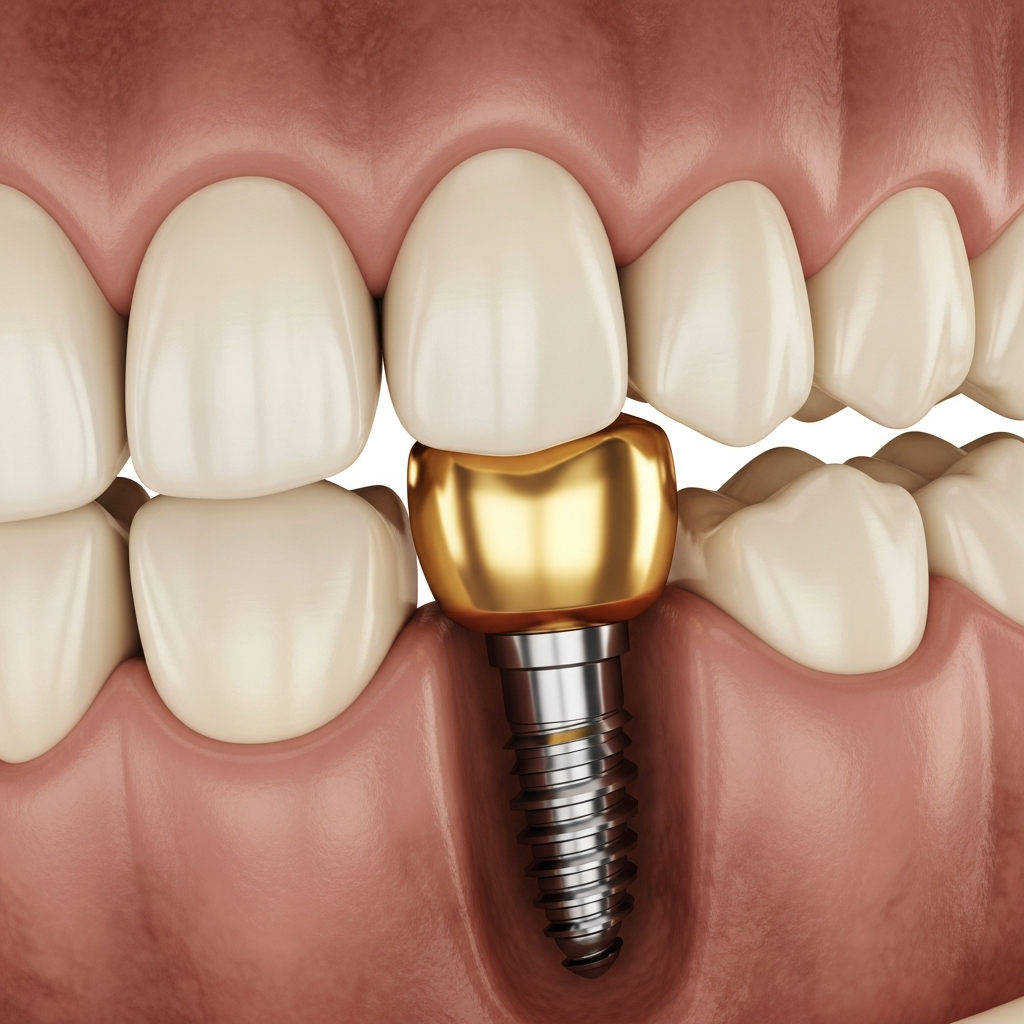
India has the second-highest number of diabetic patients in the world — with over 77 million people living with diabetes and millions more in the pre-diabetic range. Diabetes is also one of the leading causes of accelerated tooth loss, creating an important and frequently asked question at Dental Wellness Bathinda:
"I have diabetes — can I safely get dental implants?"
The answer, backed by decades of clinical research and thousands of successful cases worldwide, is: Yes — in most cases, with proper planning and blood sugar management, diabetic patients can successfully and safely receive dental implants.
However, the details matter enormously. Diabetes affects healing, immune response, and bone biology in ways that must be carefully managed for implant treatment to succeed. This guide provides everything a diabetic patient in Bathinda needs to know about implants — from the scientific basis of the concerns to the specific precautions our team takes to ensure optimal outcomes.
Why Diabetes Affects Oral Health So Profoundly
Diabetes and oral health have a bidirectional, deeply intertwined relationship that is increasingly recognized by both dental and medical communities.
How Diabetes Damages Teeth and Gums
- Impaired Immune Response: High blood glucose levels impair white blood cell function — reducing the body's ability to fight bacterial infections. In the mouth, this means diabetic patients are significantly more prone to gum disease, infections around tooth roots, and slower healing after dental procedures.
- Reduced Blood Circulation: Chronic hyperglycemia (high blood sugar) damages small blood vessels (microangiopathy). Poor blood flow to gum tissue and bone means nutrients and immune cells reach healing sites more slowly — prolonging and compromising the healing process.
- Elevated Glucose in Saliva: Diabetic patients often have higher glucose concentrations in saliva — providing an ideal medium for bacterial growth. This increases plaque formation, cavity risk, and the severity of gum disease.
- Dry Mouth (Xerostomia): Diabetes and certain diabetes medications cause dry mouth — reducing saliva's crucial antibacterial and buffering functions, further increasing infection and decay risk.
- Impaired Bone Metabolism: Poorly controlled diabetes interferes with bone turnover and repair mechanisms — affecting the jawbone's ability to undergo osseointegration (the process by which the implant fuses with bone).
The Bidirectional Relationship
Critically, the relationship between diabetes and oral health is two-way. Not only does diabetes worsen oral health — active gum disease and oral infections make blood sugar harder to control, creating a vicious cycle that worsens both conditions simultaneously.
Treating gum disease in diabetic patients has been shown in multiple studies to measurably improve HbA1c (long-term blood sugar control marker) by up to 0.4%. This means that addressing oral health as part of diabetes management isn't just good dental care — it's genuinely good medical care.
Blood Sugar Control: The #1 Factor for Implant Success
The most important determinant of whether a diabetic patient can safely receive dental implants is their level of blood glucose control. The standard measurement used is HbA1c (glycated hemoglobin) — a blood test that reflects average blood sugar levels over the past 2–3 months.
HbA1c and Implant Safety Guide
Well-Controlled Diabetes
✅ Excellent Implant Candidate
Success rate comparable to non-diabetics
Moderately Controlled
⚠️ Proceed with Precautions
Enhanced monitoring required
Poorly Controlled Diabetes
❌ High Risk
Improve control before proceeding
At Dental Wellness Bathinda, we always request your most recent HbA1c reading as part of the implant evaluation. If your HbA1c is borderline, we work with your physician to develop a strategy for improving control before proceeding — prioritizing your safety above all else.
Risk Assessment: What Level of Diabetes Control Are You?
Well-Controlled Diabetics
HbA1c below 7.5%, stable medication regimen, no major diabetes complications, normal wound healing history. These patients are excellent implant candidates with outcomes comparable to non-diabetic patients. Standard implant protocol with additional monitoring.
Moderately Controlled Diabetics
HbA1c between 7.5–9%, blood sugar somewhat controlled. Implants are possible with enhanced precautions — prophylactic antibiotics, shorter surgical sessions, more frequent healing checkups, and coordination with physician. Higher vigilance required.
Poorly Controlled Diabetics
HbA1c above 9%, irregular glucose readings, significant diabetes complications. Implant surgery is not advisable until blood sugar is better controlled. Our team works with your physician to develop an action plan to improve control first.
The Science of Implants in Diabetic Bone
What the Research Actually Shows
The medical literature on dental implants in diabetic patients has evolved dramatically in the past two decades. Early studies (1990s–2000s) raised concerns about lower implant success in diabetics. More recent, well-controlled studies tell a different story:
- A 2022 systematic review found no statistically significant difference in 5-year implant survival rates between well-controlled diabetic and non-diabetic patients.
- Studies consistently show that HbA1c is the strongest predictor of implant outcome in diabetics — not the diabetes diagnosis itself.
- Prophylactic antibiotic protocols significantly reduce infection risk and improve osseointegration success in diabetic patients.
- Implants placed by experienced clinicians with appropriate protocols in well-controlled diabetics have 5-year survival rates of 95–97%.
Special Precautions at Dental Wellness Bathinda for Diabetic Implant Patients
At Dental Wellness Bathinda, diabetic patients undergo a comprehensive, modified protocol that maximizes implant success while minimizing risks:
Medical Coordination
We coordinate directly with your endocrinologist or physician to review your diabetes management, current medications, HbA1c history, and any diabetes-related complications before planning implant treatment. A medical clearance is obtained for surgical procedures.
HbA1c Verification
We require a current HbA1c reading (within the past 3 months) before scheduling implant surgery. If HbA1c is not at an optimal level, we defer surgery and work with your care team to improve control first.
Prophylactic Antibiotic Protocol
Diabetic patients routinely receive prophylactic (preventive) antibiotics before and after implant surgery — a proven strategy for reducing post-surgical infection risk and supporting osseointegration. The antibiotic regimen is selected carefully to avoid interactions with diabetes medications.
Morning Appointment Scheduling
Implant surgery for diabetic patients is always scheduled in the morning — when blood glucose levels are typically more stable and predictable. We advise patients on managing pre-procedure medications and meals to ensure optimal glucose levels on the day of surgery.
Minimized Surgical Time
We plan surgical efficiency carefully — implant procedures for diabetic patients are kept as concise as possible to minimize the physiological stress of prolonged surgical sessions, which can disrupt blood glucose stability.
Enhanced Healing Monitoring
Post-surgical healing checkups are more frequent for diabetic patients — typically at 1 week, 2 weeks, 4 weeks, 3 months, and 6 months. This allows early detection and management of any healing complications before they progress.
Comprehensive Periodontal Preparation
All gum disease must be fully treated and resolved before implant placement. Diabetic patients with active gum disease would face dramatically elevated infection risk if implants were placed without first establishing a healthy periodontal foundation. Full gum health is a prerequisite, not an optional step.
Advanced Implant Systems
We use premium implant systems with specially engineered surface treatments (SLA — sandblasted, large grit, acid-etched surfaces) that promote faster and more reliable osseointegration. These surface modifications are particularly beneficial for diabetic patients where bone healing may be slightly impaired.
The Implant Treatment Journey for Diabetic Patients
Pre-Treatment Medical Assessment
Comprehensive review of your diabetes history, HbA1c levels, medications, and diabetes-related complications. Medical clearance is obtained. If HbA1c needs improvement, we provide guidance and a timeline for when treatment can safely proceed.
Periodontal Treatment & Stabilization
Any existing gum disease is fully treated before implant planning begins. This typically takes 4–8 weeks. Gum health is reassessed and confirmed before moving to implant planning.
Digital Implant Planning
CBCT 3D scanning to assess bone quality, density, and quantity at the implant site. Digital planning software maps the precise implant position for maximum accuracy and minimized surgical time. A detailed treatment plan is created and shared with the patient.
Implant Surgery (Modified Protocol)
Morning appointment. Prophylactic antibiotics initiated. Minimally invasive, efficiently executed surgical procedure under local anesthesia. Blood glucose is checked before surgery and monitored. Post-operative instructions include dietary guidance, oral hygiene instructions, and medication schedule.
Enhanced Healing Period (4–6 Months)
The osseointegration period is carefully monitored with more frequent checkups than standard implant protocol. Blood glucose management during healing is discussed. Any signs of infection or delayed healing are addressed immediately.
Crown Placement & Ongoing Maintenance
Once osseointegration is confirmed, the custom crown is placed. A long-term maintenance schedule of 4-monthly checkups (vs 6-monthly for non-diabetics) is established to monitor implant health, gum health, and blood glucose management over the long term.
Long-Term Maintenance for Diabetic Implant Patients
Diabetic implant patients require slightly more attentive long-term maintenance than non-diabetic patients — primarily due to the ongoing elevated risk of peri-implantitis (infection around the implant):
Home Care Essentials
- Brush twice daily with a soft electric toothbrush — electric brushes are recommended for diabetic patients as they are more effective at plaque removal
- Floss or use interdental brushes daily around each implant — critical for preventing peri-implant infections
- Use an antibacterial mouthwash daily — particularly important for diabetic patients with elevated bacterial load
- Maintain tight blood sugar control — this is the single biggest factor in long-term implant health. Well-controlled diabetes dramatically reduces peri-implantitis risk
- Stay well-hydrated — combats dry mouth common in diabetics and maintains saliva's protective function
Professional Maintenance Schedule
- Every 3–4 months for professional cleaning and implant assessment (more frequent than the standard 6 months)
- Annual HbA1c review shared with dental team to monitor any changes in diabetes control
- Immediate appointment if any pain, swelling, or bleeding around the implant is noted — don't wait for the next scheduled checkup

Frequently Asked Questions Specific to Diabetic Implant Patients
Q: Should I skip my diabetes medication before surgery?
Never skip medications without explicit guidance from your physician and dentist. We coordinate your medication management carefully — including whether to take oral hypoglycemics or adjust insulin before surgery, how to manage fasting requirements safely, and when to resume normal medication schedule post-surgery.
Q: What if I experience hypoglycemia (low blood sugar) during the procedure?
Our team is trained to recognize and manage hypoglycemia. We keep glucose gel on hand for every diabetic patient procedure. Morning scheduling, coordination with your physician on pre-procedure dietary guidelines, and glucose monitoring minimize this risk significantly.
Q: Can I get implants if I have diabetic neuropathy or nephropathy?
Diabetes-related complications significantly affect surgical candidacy. Severe neuropathy or nephropathy increases overall surgical risk and requires careful medical consultation. Many patients with these complications can still receive implants with appropriate medical oversight — but this requires individual assessment. Our team coordinates comprehensively with your specialist physicians in these cases.
Q: I'm on metformin — does it affect implants?
Interestingly, some research suggests metformin may actually support bone formation and could positively influence osseointegration. It does not negatively impact implant outcomes. As always, ensure your dentist has a complete medication list to check for antibiotic or anesthetic interactions.
✨ Conclusion
The answer to "Can diabetic patients get dental implants?" is a well-supported, evidence-based YES — provided the patient's blood sugar is adequately controlled and proper clinical precautions are followed.
At Dental Wellness Bathinda, we have extensive experience treating diabetic patients with compassion, medical diligence, and clinical expertise. We understand the unique challenges of diabetes management in the context of dental surgery — and we approach every diabetic patient with a customized, thorough protocol that prioritizes your safety and maximizes your chance of a successful, long-lasting implant outcome.
If you are a diabetic patient considering dental implants in Bathinda, the first step is a comprehensive consultation. Bring your latest HbA1c reading, medication list, and any relevant medical history. Our team will give you an honest, expert assessment of your candidacy and a clear path forward to restoring your smile — safely and permanently.
❓ Frequently Asked Questions
Yes — with well-controlled blood sugar (HbA1c below 7.5–8%), diabetic patients achieve implant success rates comparable to non-diabetics.
Below 7.5–8% is considered safe. HbA1c above 9–10% significantly increases risk and should be improved before proceeding.
Most don't negatively affect implants. Your dentist needs a full medication list to check for interactions with antibiotics or anesthetics used during treatment.
Poorly controlled diabetes impairs immune function and slows healing. Well-controlled diabetes causes only marginal differences in healing compared to non-diabetics.
Medical coordination, HbA1c verification, prophylactic antibiotics, morning appointments, minimized surgical time, and enhanced follow-up monitoring.
If blood sugar is poorly controlled, implant-supported dentures (2–4 implants) or conventional dentures may be considered as interim solutions until diabetes is better managed.