Dental Implants: Cost, Procedure, Benefits & Recovery Guide in India (2026)
A complete 2026 guide to restore your smile safely and effectively with dental implants.
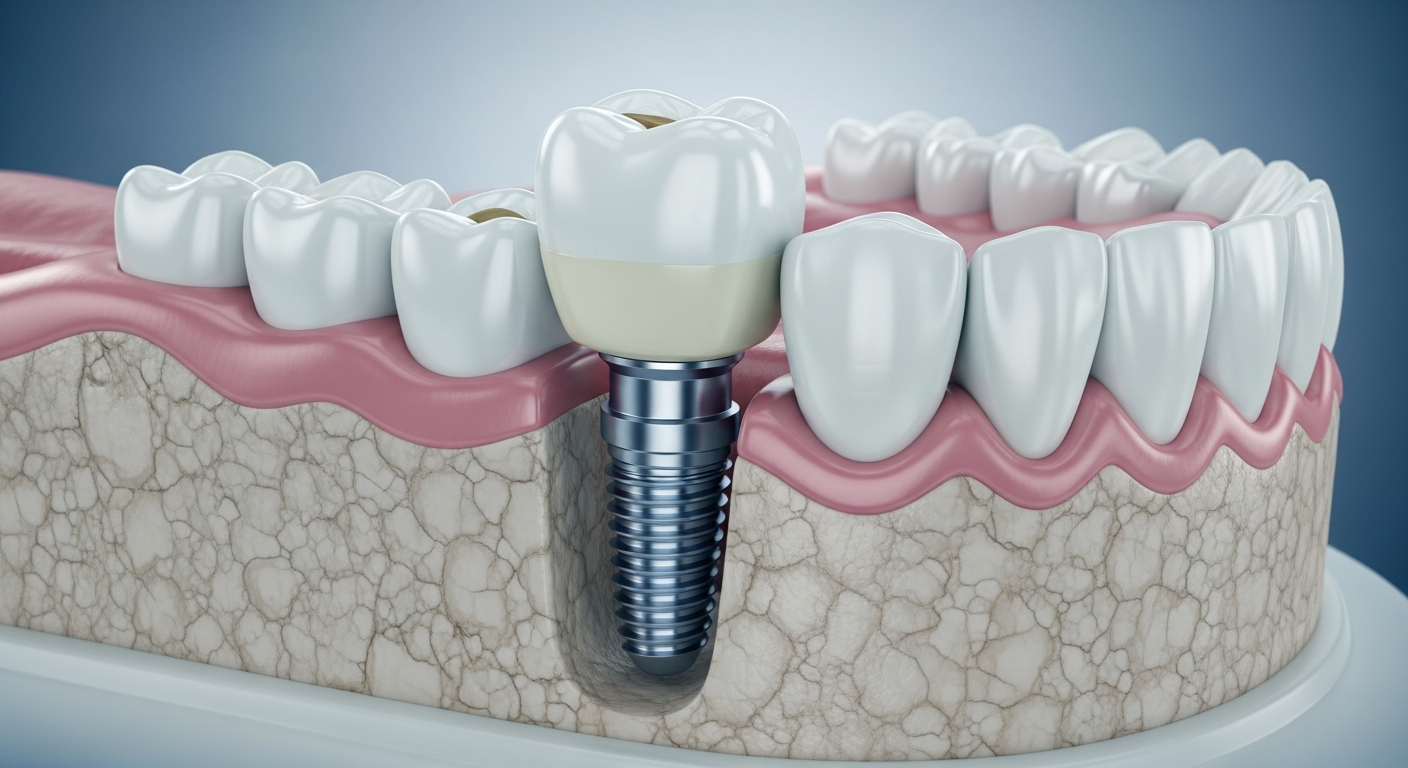
A missing tooth is more than just a gap—it can quietly affect your confidence, chewing ability, and overall oral health. Fortunately, modern dentistry offers a long-lasting and natural-looking solution: dental implants.
In recent years, dental implants in India have become increasingly popular due to advanced technology, skilled dentists, and affordable costs. But before choosing this treatment, it's important to understand everything—from procedure to pricing.
This guide walks you through cost, procedure, benefits, and recovery, helping you make a confident and informed decision.
What Are Dental Implants?
Dental implants are artificial tooth roots made of titanium that are surgically placed into the jawbone. They act as a strong foundation for replacement teeth such as crowns, bridges, or dentures.
Unlike removable dentures, implants are fixed and function like natural teeth—giving you stability, comfort, and durability.
Why Choose Dental Implants?
Missing teeth can lead to several problems if left untreated:
- Bone loss in the jaw
- Difficulty chewing
- Speech issues
- Shifting of nearby teeth
- Loss of facial structure
Dental implants solve all these issues by replacing both the root and the visible tooth, making them the most complete tooth replacement solution.
Do You Know the Average Dental Implant Cost in India?
The cost of dental implants in India can vary widely depending on multiple clinical and non-clinical factors. Understanding these factors helps patients make informed decisions and plan their treatment effective.
Single Dental Implant Cost
Titanium Implants
Titanium implants are the most commonly used option due to their strength, durability, and high success rate. The overall cost can vary depending on:
- Quality and brand of titanium used
- Experience and expertise of the dental surgeon
- Clinic location and infrastructure
- Reputation of the dental clinic
- Inclusion of consultation and follow-up care
Zirconia Implants
Zirconia implants are a metal-free alternative known for their superior aesthetics and biocompatibility. These implants are typically chosen for patients seeking a more natural appearance.
The cost may vary based on:
- Material quality and manufacturing standards
- Complexity of the procedure
- Advanced technology used
- Clinic location and specialization
Additional Components That Affect Cost
Abutment (Connector)
The abutment connects the implant to the crown and plays a crucial role in the final outcome.
Cost variations depend on:
- Material used (metal, ceramic, or zirconia)
- Type of implant system
- Complexity of the case
- Need for additional procedures such as bone support
Crown (Tooth Cap)
The visible part of the implant is the crown, designed to match natural teeth in shape and color.
Factors influencing cost include:
- Material used (porcelain, ceramic, or metal-based)
- Customization and design
- Use of advanced technologies such as CAD/CAM
- Aesthetic requirements
Full-Mouth Dental Implants Cost (All-on-4 or All-on-6)
All-on-4 (per arch):
The cost depends on factors like the type of implants used, the materials chosen for the artificial teeth, and the complexity of dental implant surgery. Geographic location, surgeon's experience, and the need for additional treatments (e.g., bone substitutes / bone grafts) can influence the cost.
All-on-6 (per arch):
The cost varies depending on similar factors as the All-on-4 procedure but is typically higher due to the additional implants. The complexity of the case, such as the condition of the jawbone, also impacts pricing.
Additional Costs
X-rays/CT Scan:
The cost of imaging can vary depending on the technology used, such as 3D imaging versus traditional X-rays. Some clinics may offer packages that include imaging as part of the treatment cost.
Temporary Denture or Prosthesis:
If required, the cost for crown bridge or removable dentures depends on the materials and design. High-quality temporary solutions, artificial teeth or any other type of tooth replacements may lead to higher prices.
Total for Full-Mouth (Both Arches)
All-on-4 dental implants:
The total cost for full-mouth restoration can vary based on the number of implants, the materials used, and additional surgical procedures like usage of bone substitutes or sinus lifts.
All-on-6 dental implants:
Similar to All-on-4, the total cost can vary depending on the specifics of the patient's dental and medical condition, the expertise of the surgeon, and any additional treatments required to support the implant.
Dental Implant Procedure: Step-by-Step
Understanding the process helps reduce anxiety and sets clear expectations.
1. Consultation and Evaluation
Your dentist examines your oral health using X-rays or 3D scans to check bone density and plan the treatment.
2. Implant Placement Surgery
A titanium implant is surgically placed into the jawbone under local anesthesia.
3. Osseointegration (Healing Phase)
This is the most critical stage where the implant fuses with the bone. It usually takes 3 to 6 months.
4. Abutment Placement
A small connector (abutment) is attached to the implant to hold the crown.
5. Crown Placement
A custom-made crown is fixed on top, completing the restoration.
Total Treatment Time
Typically ranges from 3 to 6 months, depending on individual healing and complexity.
Dental Implants vs Other Tooth Replacement Options
| Feature | Dental Implants | Bridges | Dentures |
|---|---|---|---|
| Stability | High | Moderate | Low |
| Longevity | 10–25 years | 5–10 years | 3–5 years |
| Bone Preservation | Yes | No | No |
| Comfort | Excellent | Good | Moderate |
Dental implants are the closest alternative to natural teeth.
Benefits of Dental Implants
Dental implants offer both functional and aesthetic advantages:
✅ Long-Lasting Solution
With proper care, implants can last decades.
✅ Natural Appearance
They look and feel like real teeth.
✅ Improved Chewing Ability
Eat your favorite foods without discomfort.
✅ Bone Preservation
Prevents jawbone loss and maintains facial structure.
✅ No Impact on Adjacent Teeth
Unlike bridges, implants do not affect neighboring teeth.
Tips for Faster Recovery After Dental Implants
A smooth recovery after dental implant surgery depends not only on the procedure but also on how well you follow post-treatment care. These simple yet important steps can significantly improve healing and ensure long-term success.
Follow Your Dentist's Instructions
Your dentist provides specific guidelines based on your individual case, including medications, diet, and oral care routines. Following these instructions carefully helps prevent complications such as infection, implant failure, or delayed healing. Always take prescribed medications on time and avoid any activities your dentist has restricted.
Avoid Smoking and Alcohol
Smoking restricts blood flow to the gums, which can slow down healing and increase the risk of implant failure. Similarly, alcohol can interfere with medications and delay tissue repair. Avoiding both during the healing period gives your body the best chance to recover properly.
Maintain Good Oral Hygiene
Keeping your mouth clean is essential to prevent infection around the implant site. Gently brush your teeth twice a day and use any recommended mouthwash. Be careful around the surgical area to avoid irritation while still maintaining cleanliness.
Attend Follow-Up Appointments
Regular follow-up visits allow your dentist to monitor the healing process and ensure the implant is integrating properly with the jawbone. These check-ups help detect and address any issues early, ensuring a successful outcome.
Choosing the Right Dental Implant Clinic in India
Selecting the right clinic is crucial for success.
Look For:
- Experienced implant specialist
- Advanced technology (3D scans, digital planning)
- High-quality implant systems
- Positive patient reviews
Final Verdict: Are Dental Implants Worth It?
Dental implants are a long-term investment in your oral health and confidence. While the initial cost may seem higher, their durability, comfort, and natural appearance make them worth it.
✨ Conclusion
Dental implants have transformed modern dentistry by offering a reliable and permanent solution for missing teeth. In India, advancements in technology and affordability make them accessible to a wider population.
If you are considering restoring your smile, dental implants provide a safe, effective, and long-lasting option. With proper care and expert guidance, you can enjoy a confident and healthy smile for years to come.
❓ Frequently Asked Questions (FAQs)
The dental implant process in India involves a thorough evaluation by a dentist, surgical placement of the implant into the jawbone, a healing period for integration with the bone, and finally attaching a crown, bridge, or denture to restore your smile.
No, the dental implant procedure is usually painless as it is performed under local anesthesia. Patients may experience mild discomfort or swelling after surgery, which subsides within a few days.
With proper care and oral hygiene, dental implants can last 15 to 25 years or even a lifetime, making them a long-term solution for missing teeth.
The complete dental implant procedure usually takes 3 to 6 months, including the healing phase where the implant fuses with the jawbone.
Anyone with missing teeth, healthy gums, and sufficient jawbone density is generally a good candidate. A dentist evaluation is necessary to confirm suitability.
Dental implants offer several benefits, including improved appearance, better chewing ability, long-lasting results, and prevention of bone loss compared to other tooth replacement options.
Yes, dental implants are often considered better because they are more stable, long-lasting, and help preserve jawbone health, unlike dentures or bridges.