Why Dental Implants Feel More Natural Than Dentures
A data-driven, experience-backed comparison of the two most common tooth replacement options — and why implants consistently win on every metric that matters to patients.
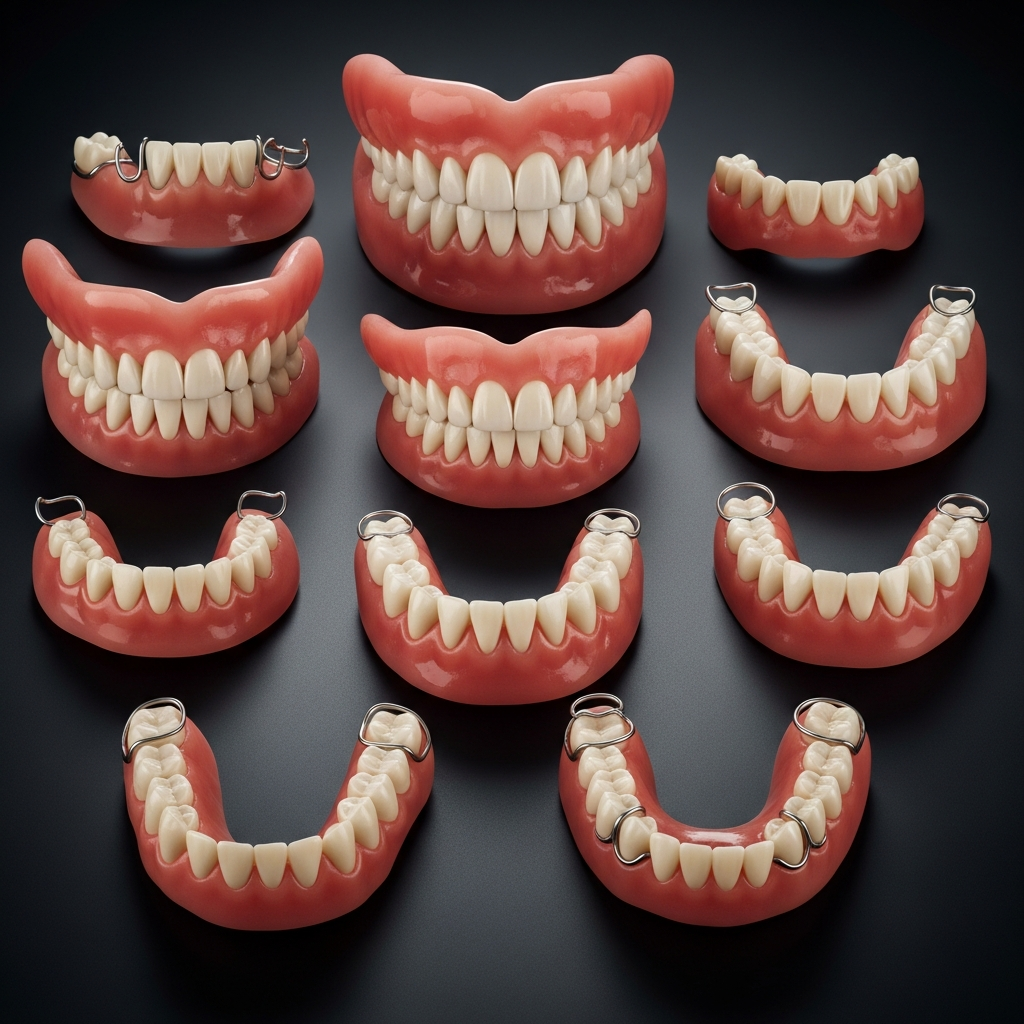
Ask anyone who has transitioned from dentures to dental implants, and you'll hear remarkably similar stories: the implants felt different within weeks. Not just visually — but the way they functioned, the way food tasted, the way they spoke, the confidence they felt. In almost every case, the response is some version of: "I wish I had done this sooner."
This is not accidental. Dental implants are engineered, at a biological and biomechanical level, to replicate the structure and function of natural teeth in a way that dentures — regardless of how well-made — fundamentally cannot.
In this in-depth guide, we explore exactly why implants feel so natural, what makes dentures fall short, and the comprehensive comparison that helps patients make the most informed tooth replacement decision of their lives.
Performance Comparison: Implants vs. Dentures
The Biological Reason Implants Feel Natural
To understand why implants feel so natural, you need to understand what makes natural teeth feel natural in the first place.
The Periodontal Ligament (PDL)
Each natural tooth is connected to the jawbone not directly, but through an intricate network of microscopic fibers called the periodontal ligament (PDL). This ligament acts as a biological shock absorber — cushioning biting forces, allowing micro-movements that prevent excessive stress, and housing nerve endings that give you precise sensory feedback about what you're biting.
When you bite into something hard versus soft, the PDL's nerve endings communicate the texture, pressure, and resistance to your brain — allowing you to modulate your biting force automatically.
How Implants Replicate This
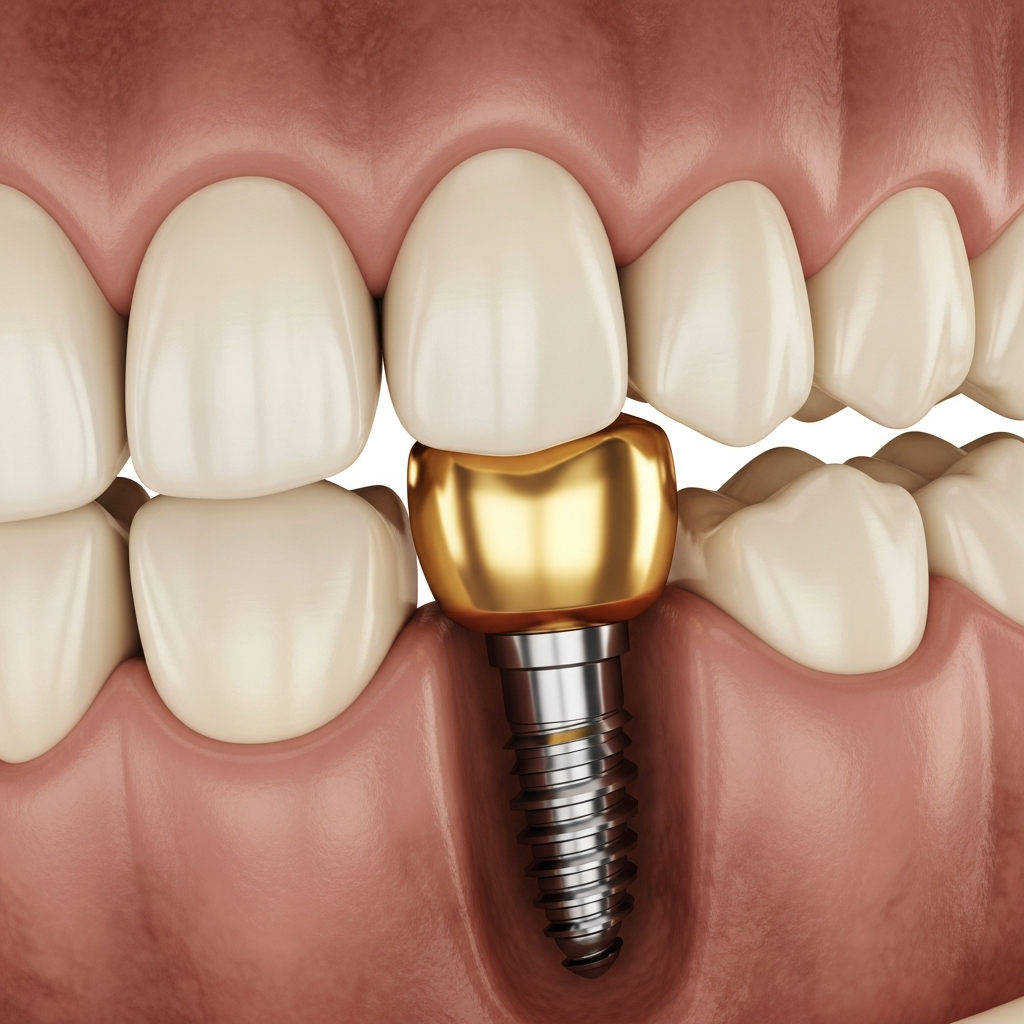
A dental implant replaces the natural tooth root with a titanium post. Over 3–6 months, the jawbone grows into and fuses with the microscopic surface texture of the titanium — a process called osseointegration. This creates an extremely stable bond that transfers biting forces directly to the bone — similar to how a natural root does.
While implants don't replicate the PDL exactly, the stability of the bone-to-implant connection provides a sensory experience remarkably close to natural teeth — far superior to anything a denture resting on gum tissue can achieve.
How Dentures Fall Short
Dentures rest on top of the gum tissue — with no connection to the underlying bone whatsoever. This means:
- No root-level stability — the denture can shift, tilt, and lift during biting and speaking
- Biting forces are transmitted to the gum tissue rather than bone — causing soreness and restricting what you can eat
- The brain never receives natural tooth sensation — every bite feels "muted" or imprecise
- Without bone stimulation, the jawbone progressively shrinks — making the denture fit less and less well over time
The 7 Ways Implants Feel More Natural Than Dentures
1. 🍕 No Dietary Restrictions
Implants restore close to natural biting force (95% efficiency). You can eat apples, corn on the cob, steak, and crusty bread without fear. Denture wearers must permanently avoid hard, crunchy, and sticky foods — significantly impacting quality of life and nutrition.
2. 🗣️ Natural Speech
Dentures sit above the gum and can slip during speech — particularly for the letters "s," "f," and "th." This causes slurring, clicking, or the constant need to reposition. Implants are completely fixed — speaking sounds exactly as natural as with real teeth.
3. 😊 No Adhesives Required
Many denture wearers use dental adhesives daily just to keep their denture stable. Implants require no adhesives, no special pastes, and no daily removal — creating a completely natural, maintenance-free experience.
4. 🦴 Preserves Facial Structure
Bone loss from missing teeth causes the face to develop a "sunken" appearance — making people look years older. Implants stimulate the jawbone like natural roots, preserving bone volume and maintaining natural facial contours for life.
5. 👅 Full Taste Experience
Upper dentures cover the palate (roof of the mouth) — blocking thousands of taste receptors and reducing the taste experience dramatically. Implant-supported teeth have no palate coverage — full taste and temperature sensation are preserved completely.
6. 💤 Wear 24/7
Dentures must be removed at night for cleaning and to allow gum tissue to recover from daily pressure. Implants stay in permanently — just like natural teeth. No nightly removal, no soaking solutions, no storing in a glass.
7. 🧹 Simple Maintenance
Implants are cared for exactly like natural teeth — brush, floss, and regular dental checkups. Dentures require daily removal, soaking in cleaning solution, specialized brushes, and periodic relining and replacement.
Comprehensive Implants vs. Dentures Comparison
| Category | Dental Implants | Dentures |
|---|---|---|
| Stability | Anchored in bone — completely fixed | Rests on gums — can slip/shift |
| Bone Preservation | ✅ Stimulates bone like natural roots | ❌ Bone continues to shrink |
| Chewing Efficiency | 90–95% of natural teeth | 20–30% of natural teeth |
| Diet Restrictions | None — eat virtually anything | Significant — avoid hard/sticky foods |
| Speech Impact | None — natural speech preserved | Can cause slurring, clicking |
| Taste Sensation | Full — no palate coverage | Reduced — upper denture covers palate |
| Maintenance | Brush & floss normally | Daily removal, soaking, adhesive |
| Lifespan | 20–25+ years | 3–5 years per set |
| Facial Aging | Prevents bone loss — preserves face | Bone loss causes sunken appearance |
| Social Confidence | High — secure, natural appearance | Lower — fear of slipping in public |
| Upfront Cost | Higher initial investment | Lower initial cost |
| Long-Term Cost | More economical over 10–20 years | Recurring replacement costs every 3–5 yr |
What Patients Say About the Difference
Clinical studies consistently show that patients who switch from dentures to dental implants report:
- Dramatic improvement in chewing ability and food choices
- Significant improvement in speech clarity and confidence
- Enhanced self-esteem and social confidence
- Better nutritional intake (ability to eat crunchy fruits and vegetables)
- Reduced anxiety about dental prosthesis stability in social situations
- Overall improvement in quality of life scores across all measured domains
The Implant-Supported Denture: The Best of Both Worlds
For patients who cannot afford full individual implants for every missing tooth, or who prefer a removable option, implant-supported dentures (overdentures) offer a dramatically superior alternative to conventional dentures.
In this approach, 2–4 implants are placed strategically in the jawbone. Special attachments on the implants clip securely into corresponding attachments inside the denture — holding it firmly in place during eating and speaking while still allowing removal for cleaning.
Advantages of Implant-Supported Dentures Over Conventional Dentures:
- Dramatically improved stability — significantly reduced slipping and movement
- No adhesives required for most patients
- Better chewing efficiency (up to 2x improvement over conventional dentures)
- Some bone preservation from the implant posts
- Upper denture can be designed without the palate coverage — restoring taste sensation
- Greater confidence in social situations
- More affordable than replacing each tooth with an individual implant
The Long-Term Cost Reality
One of the most persistent misconceptions about dental implants is that they are prohibitively expensive compared to dentures. While the upfront cost is higher, the long-term financial picture is very different.
Denture Ongoing Costs to Consider:
- New denture set required every 3–5 years as bone changes shape
- Annual or biannual relining procedures as the denture fit changes
- Daily adhesive costs over years of use
- Specialized cleaning solutions and brushes
- Potential treatment for sore spots, gum irritation, and bone loss complications
Dental Implant Long-Term Value:
- Single upfront investment — no replacement needed for 20+ years with proper care
- No adhesives, no soaking solutions, no special maintenance products
- Prevention of bone loss complications that would require additional costly treatment
- Regular checkups only — same as natural teeth
✨ Conclusion
The comparison between dental implants and dentures is, in nearly every measurable dimension, a decisive victory for implants. They look natural, feel natural, function naturally, and preserve the biological structures that keep you looking and feeling young.
Dentures remain a valid solution for patients who are not candidates for implants due to health conditions, insufficient bone, or financial constraints — particularly when combined with implant support (overdentures) to improve stability.
But for patients who have the option to choose — implants are the clear, evidence-based, quality-of-life-driven choice. At Dental Wellness Bathinda, our implantologists have helped hundreds of patients in Bathinda make this life-changing transition. The most common feedback we receive? "I wish I had done this years ago."
❓ Frequently Asked Questions
Yes — they are anchored in the jawbone like natural roots, providing the same stability and function. Most patients forget they have implants.
Dentures rest on gums without root support. Over time, bone shrinks, causing dentures to become loose, shift, and create sore spots.
Yes — implants restore near-full biting force. You can eat virtually any food you enjoy, with no restrictions.
No — just brush twice daily, floss, and visit your dentist every 6 months. No adhesives, soaking, or removal required.
Yes — they last 20–25+ years with no replacement cost. Dentures cost less upfront but incur significant ongoing costs every 3–5 years.
Yes — implant-supported overdentures use 2–4 implants to dramatically improve denture stability and comfort at a more affordable cost than individual implants.