Emergency Dentist in Bathinda: When Tooth Pain Needs Immediate Attention
Know the difference between dental discomfort that can wait and a true dental emergency that demands immediate professional care — and what to do in the meantime.
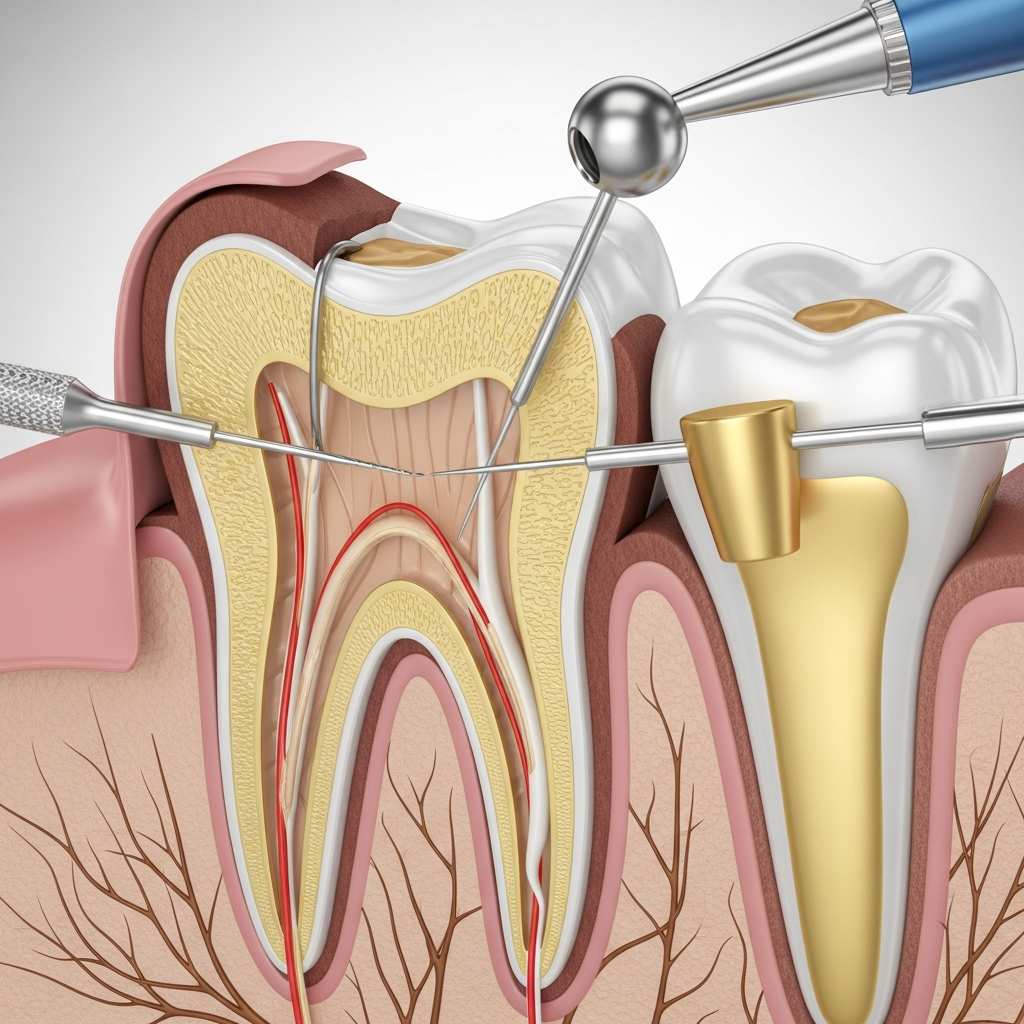
Tooth pain doesn't follow a schedule. It strikes at midnight, on weekends, during important meetings, and at the worst possible moments. And when it does, the burning question is: Is this a dental emergency, or can it wait until my next available appointment?
The answer matters enormously. Ignoring a true dental emergency can turn a treatable problem into a severe infection, a lost tooth, or in extreme cases, a life-threatening situation. Conversely, panicking over mild discomfort can lead to unnecessary anxiety.
This comprehensive guide helps you identify true dental emergencies, understand what to do in the first critical minutes before you can reach a dentist, and know exactly when to call Dental Wellness Bathinda for emergency care.
Is It a Dental Emergency? Know the Urgency Levels
Not all dental problems are equal. Here's a practical framework for assessing urgency:
Critical Dental Emergencies
- Knocked-out (avulsed) tooth
- Facial swelling with fever
- Dental abscess with spreading swelling
- Difficulty breathing or swallowing
- Severe, uncontrollable bleeding after dental procedure
- Jaw fracture or dislocation after trauma
Urgent Dental Situations
- Severe, throbbing toothache
- Cracked tooth with sharp edges causing soft tissue damage
- Lost crown or filling with significant pain or sensitivity
- Broken orthodontic wire poking soft tissue
- Object lodged between teeth causing pain
- Soft tissue injury (torn lip, tongue, or cheek)
Non-Emergency But Needs Prompt Attention
- Dull, persistent tooth sensitivity
- Lost filling without pain
- Chipped tooth without sharp edges or pain
- Mild gum soreness
- Loose but not falling crown
- Food impacted between teeth (not resolving with floss)
The Most Common Dental Emergencies — What to Do
🦷 1. Knocked-Out Tooth (Dental Avulsion)
A knocked-out permanent tooth is one of the true time-critical dental emergencies. The chances of successfully replanting the tooth decrease dramatically after 60 minutes.
Handle the tooth correctly
Pick up the tooth by the crown (the white biting surface) — never by the root. The root surface contains delicate cells essential for reimplantation.
Gently rinse (do not scrub)
If the tooth is dirty, gently rinse with saline solution or milk. Never scrub, dry, or wrap it in a tissue.
Try to reinsert
If possible, gently insert the tooth back into the socket and bite down gently on a piece of gauze or cloth to hold it in place while you travel to the dentist.
Store in milk if not replanting
If reinsertion isn't possible, place the tooth in a glass of milk or between your cheek and gum. Never store in water or allow it to dry out.
Reach the dentist within 30 minutes
Call Dental Wellness Bathinda immediately and head straight to the clinic. Every minute counts. Teeth replanted within 30 minutes have up to 90% success rate.
🔥 2. Severe Toothache
A severe, throbbing toothache — especially one that wakes you from sleep, throbs constantly, or is accompanied by swelling — indicates a serious underlying problem such as deep decay, cracked tooth, or abscess. This requires same-day dental evaluation.
Emergency First Aid While You Wait:
- Take ibuprofen (400–600mg) — most effective for dental pain
- Apply a cold compress to the cheek for 20 minutes at a time
- Rinse with warm salt water
- Avoid hot foods and beverages which can worsen pain
- Do NOT place aspirin directly on the gum — it causes chemical burns to the soft tissue
🦠 3. Dental Abscess
A dental abscess is a pocket of pus caused by bacterial infection. It can develop around a tooth root (periapical abscess) or in the gum tissue (periodontal abscess). Signs include a persistent, severe toothache, swollen face or cheek, fever, tender lymph nodes in the jaw or neck, and sometimes a visible pimple-like bump on the gum.
What to Do:
- Contact Dental Wellness Bathinda for immediate emergency appointment
- If you have fever, rapidly increasing swelling, or difficulty swallowing/breathing — go to a hospital emergency department immediately
- Rinse your mouth gently with warm salt water several times a day
- Take prescribed or over-the-counter pain relief while awaiting care
💔 4. Cracked or Broken Tooth
A broken tooth may cause immediate sharp pain, sensitivity, or no pain at all depending on the extent of the crack. If a jagged edge is cutting your tongue, cheek, or lip — this requires same-day attention to prevent soft tissue injury.
Emergency First Aid:
- Rinse your mouth with warm salt water
- Cover sharp edges with dental wax (available at pharmacies) to protect soft tissue
- Apply a cold compress for swelling
- Take pain relief as needed
- Avoid chewing on the affected side
- Call for a same-day appointment
👑 5. Lost Crown or Filling
A lost crown or filling exposes the underlying tooth structure — often sensitive and vulnerable to further damage. While this is rarely a medical emergency, it should be addressed within 24 hours to prevent discomfort and protect the tooth.
Temporary Relief at Home:
- For a lost crown: try to carefully place it back over the tooth using dental cement (available at pharmacies) as a temporary measure
- Apply clove oil (eugenol) to the area with a cotton ball for pain relief — clove oil is a natural analgesic used by dentists
- Avoid hard and sticky foods on the affected side
- Book an appointment as soon as possible
💥 6. Soft Tissue Injury (Lips, Tongue, Cheeks)
Lacerations to the soft tissues of the mouth bleed heavily due to the rich blood supply in oral tissues. While dramatic, most minor soft tissue injuries can be managed without emergency dental care — but significant lacerations may need suturing.
What to Do:
- Apply firm pressure with a clean gauze or cloth for 10–15 minutes
- Rinse gently with cold water
- Apply ice wrapped in a cloth to reduce swelling
- If bleeding doesn't stop after 15 minutes or the wound is deep — seek emergency medical care
Do's and Don'ts During a Dental Emergency
✅ DO:
- Call your dentist immediately and describe your symptoms clearly
- Take ibuprofen for pain — it's anti-inflammatory and works best for dental pain
- Apply cold compresses to reduce swelling
- Rinse with warm salt water
- Keep a knocked-out tooth moist in milk
- Cover sharp tooth edges with dental wax
- Go to a hospital if you have fever, spreading swelling, or difficulty swallowing
❌ DON'T:
- Place aspirin directly on gum tissue — causes chemical burns
- Use a toothpick or sharp object to try removing lodged items — this causes more damage
- Apply heat to a swollen face — this can spread infection
- Store a knocked-out tooth in water — use milk or saline
- Ignore spreading facial swelling — it can become life-threatening
- Attempt to self-medicate an abscess indefinitely — antibiotics alone won't resolve a dental abscess
- Delay treatment hoping it will resolve on its own — dental emergencies don't self-heal
Preventing Dental Emergencies
While some dental emergencies are unavoidable (trauma, accidents), many can be prevented with proactive care:
Protective Measures
- Wear a mouthguard during sports — custom-fitted mouthguards prevent the vast majority of sports-related dental injuries including knocked-out and broken teeth
- Wear a nightguard if you grind teeth — prevents cracked and chipped teeth caused by bruxism
- Never use your teeth as tools — don't open packages, bottles, or bags with your teeth
- Avoid chewing very hard foods like ice, hard candy, and nuts that can crack teeth
- Maintain regular dental checkups — identifying and treating developing problems (cavities, cracks, weakened crowns) before they become emergencies
Why Choose Dental Wellness Bathinda for Dental Emergencies?
- Same-Day Emergency Appointments: We prioritize emergency cases and do everything possible to see you the same day you call.
- Advanced Pain Management: Comfortable, effective local anesthesia ensures your emergency treatment is as pain-free as possible.
- Full Diagnostic Capability: Digital X-rays and CBCT scanning allow immediate, accurate diagnosis of complex dental emergencies.
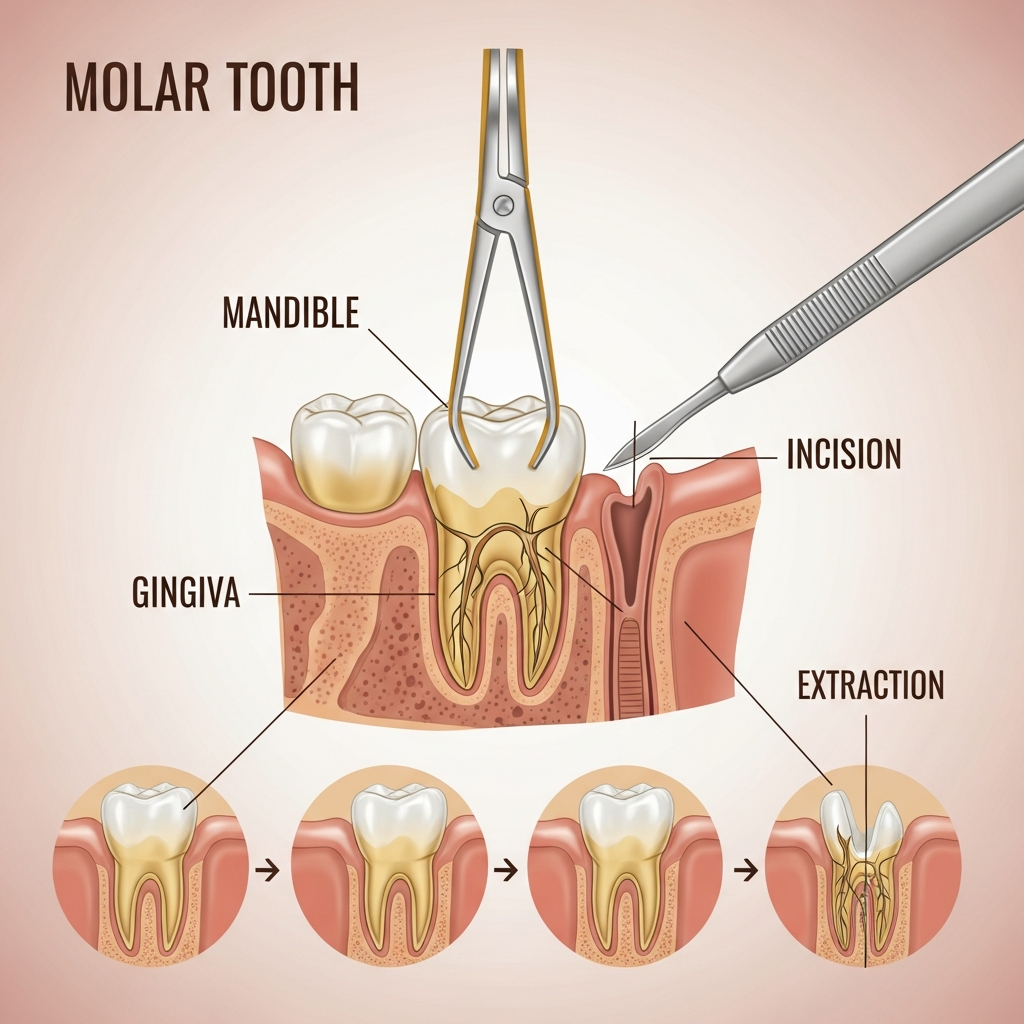
- Comprehensive Emergency Treatment: From abscess drainage and root canals to tooth replantation and crown replacement — we handle all dental emergencies in one location.
- Experienced Emergency Team: Our dentists have extensive experience in managing both simple and complex dental trauma situations.
✨ Conclusion
A dental emergency is a stressful, painful experience — but knowing how to respond in the critical first minutes can make the difference between saving and losing a tooth, and between a manageable infection and a dangerous one.
The most important steps are: stay calm, take appropriate first aid measures, and contact Dental Wellness Bathinda immediately. Our emergency team is trained to handle dental crises with speed, expertise, and genuine care for your comfort and well-being.
Don't suffer unnecessarily. If tooth pain or a dental injury is disrupting your life — call us now. We're here for you when you need us most.
❓ Frequently Asked Questions
Severe pain, knocked-out tooth, dental abscess with swelling, broken tooth with sharp edges, and jaw injuries are dental emergencies requiring immediate care.
Handle by the crown, rinse gently, try to reinsert or store in milk, and reach your dentist within 30 minutes for the best chance of saving the tooth.
Take ibuprofen, apply a cold compress to your cheek, rinse with warm salt water, and avoid hot foods. Never put aspirin directly on gum tissue.
Yes — it's a serious infection that can spread to the jaw and neck. If you have facial swelling, fever, or difficulty swallowing — seek immediate emergency care.
For severe pain, swelling, fever, or a knocked-out tooth — no. Call immediately. Mild discomfort without swelling may wait, but always consult your dentist first.
Yes. We provide same-day emergency appointments for urgent dental situations. Call us immediately and we will fit you in as soon as possible.