What Is Gum Disease? Early Signs You Should Never Ignore
The silent disease that affects over 90% of adults at some point in their lives — and why catching it early makes all the difference for your oral and overall health.
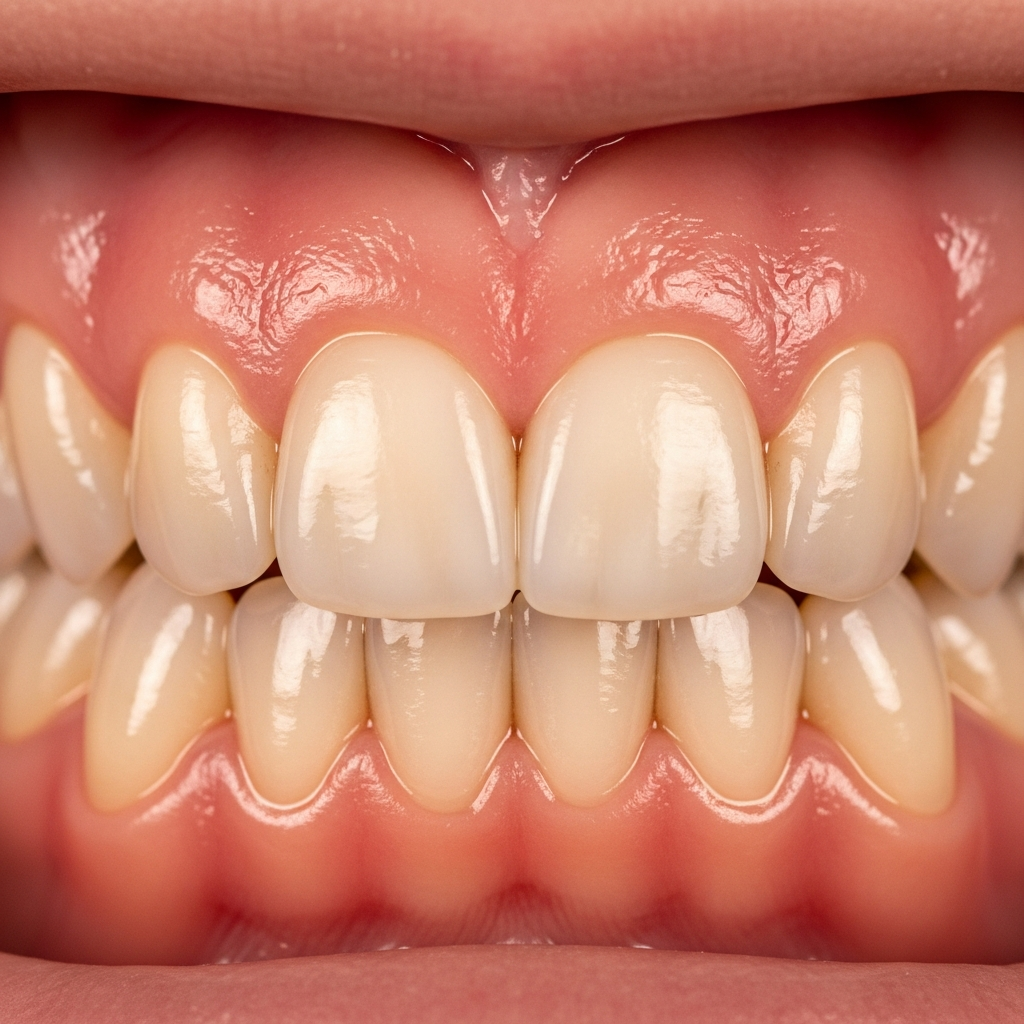
You notice a faint pink tinge in the sink after brushing. Your gums feel slightly puffy. There's a persistent bad breath that mouthwash only masks temporarily. These seem like minor inconveniences — easily dismissed and easily forgotten.
But these are the early whispers of gum disease (periodontal disease) — a progressive bacterial infection of the gum tissue and underlying bone that, if ignored, becomes one of the leading causes of tooth loss in adults worldwide.
The most dangerous thing about gum disease is that it is largely painless in its early stages. By the time it becomes painful or visually obvious, significant damage has often already occurred. This guide will help you recognize the early signs, understand what's happening in your gums, and know exactly when to seek professional help at Dental Wellness Bathinda.
What Is Gum Disease?
Gum disease, or periodontal disease, is a bacterial infection that affects the tissues surrounding and supporting your teeth. It begins in the gums (gingiva) and, if left untreated, progressively destroys the bone and connective fibers that hold your teeth in place.
The primary cause is dental plaque — a sticky, colorless film of bacteria that continuously forms on your teeth. When plaque is not removed by brushing and flossing, it hardens into tartar (calculus) — a rough, porous substance that cannot be removed by brushing alone and provides an ideal environment for bacteria to thrive.
These bacteria release toxins that trigger an inflammatory response in the gum tissue. Initially, this inflammation is the body's attempt to fight the infection. But as the disease progresses, this very inflammatory response begins destroying the supporting structures of the teeth.
Stages of Gum Disease: From Gingivitis to Severe Periodontitis
Stage 1: Healthy Gums
Healthy gums are firm, pink (not red or purple), and do not bleed during brushing or flossing. The gum line fits snugly around each tooth with no pockets deeper than 3mm. This is the ideal state — maintainable through consistent oral hygiene and regular professional cleanings.
Stage 2: Gingivitis — The Early Stage
Gingivitis is the earliest and mildest form of gum disease. The gums become inflamed due to plaque buildup, appearing red, swollen, and tender. Bleeding on brushing or flossing is the hallmark sign. Critically — gingivitis is completely reversible with professional cleaning and improved home care. No bone or tissue loss occurs at this stage.
Stage 3: Mild to Moderate Periodontitis
If gingivitis is not treated, the infection spreads below the gumline. Bacteria begin attacking the bone and connective fibers supporting teeth. Pockets form between the gum and teeth (4–6mm deep) where bacteria accumulate. Gum recession becomes visible, making teeth look longer. Some bone loss has occurred — this damage is irreversible, but progression can be halted with treatment.
Stage 4: Severe Periodontitis
Advanced periodontitis involves deep pockets (6mm+), significant bone destruction, loose or shifting teeth, and severe gum recession. Teeth may feel unstable and tooth loss becomes a real risk. Treatment at this stage requires surgical intervention. Without treatment, tooth loss is inevitable.
Early Warning Signs of Gum Disease — Never Ignore These
Bleeding Gums
Pink or red stains on your toothbrush or floss. Healthy gums do NOT bleed. Bleeding is always a sign of inflammation — it is never "normal."
Red, Swollen, or Puffy Gums
Healthy gums are coral pink and firm. Red, swollen, or tender gums indicate active bacterial infection and inflammation.
Persistent Bad Breath
Halitosis that doesn't resolve with brushing or mouthwash is a classic sign of gum disease — caused by bacterial toxins and decaying tissue in gum pockets.
Receding Gums
Teeth that appear "longer" than before signal gum recession — the gum tissue is pulling away from the tooth, exposing root surfaces.
Sensitive Teeth
As gums recede, tooth roots — which lack protective enamel — become exposed and hypersensitive to temperature and pressure.
Loose or Shifting Teeth
Teeth that feel wobbly or have moved position signal significant bone loss — the bone supporting your teeth is being destroyed.
Pus Between Teeth
Visible pus near the gumline indicates a periodontal abscess — a serious infection requiring immediate treatment.
Pain While Chewing
While gum disease is often painless, advanced stages can cause discomfort or pain when biting — indicating significant tissue involvement.
What Causes Gum Disease? Risk Factors
Primary Cause: Poor Oral Hygiene
Inadequate brushing and flossing allows plaque to build up and harden into tartar. Once tartar forms, it can only be removed professionally — it cannot be brushed away at home.
Major Risk Factors That Worsen or Accelerate Gum Disease:
- Smoking & Tobacco Use: The most significant risk factor. Tobacco reduces blood flow to gums, impairs healing, masks early warning signs like bleeding, and dramatically increases severity and treatment difficulty.
- Diabetes: Diabetic patients have impaired immune response and are 3 times more likely to develop gum disease. Conversely, gum disease makes blood sugar harder to control — creating a destructive cycle.
- Hormonal Changes: Pregnancy, menstruation, and menopause cause hormonal fluctuations that make gums more sensitive to bacterial toxins, increasing gum disease susceptibility.
- Certain Medications: Antidepressants, blood pressure medications, and anticonvulsants can cause dry mouth — reducing saliva's natural protective effects and accelerating plaque buildup.
- Genetics: Up to 30% of people have a genetic predisposition to gum disease, regardless of oral hygiene habits.
- Stress: Chronic stress impairs the immune system's ability to fight bacterial infections, including those in the gums.
- Nutritional Deficiencies: Vitamin C deficiency (historically known as scurvy) directly causes gum deterioration. A balanced diet supports healthy gum tissue.
- Teeth Grinding (Bruxism): Excessive biting forces accelerate bone loss around already-compromised periodontal tissues.
Why Gum Disease Is a Whole-Body Health Issue
Modern research has revealed a profound connection between gum disease and systemic health conditions. The bacteria from infected gums can enter the bloodstream and travel to organs throughout the body — causing inflammation far beyond the mouth.
Heart Disease
Gum bacteria can adhere to arterial walls, contributing to atherosclerosis and increasing heart attack risk.
Diabetes
Bidirectional relationship — gum disease worsens blood sugar control, and diabetes worsens gum disease severity.
Dementia
Studies suggest periodontal bacteria may reach the brain, potentially contributing to Alzheimer's disease risk.
Pregnancy
Gum disease during pregnancy is linked to premature birth and low birth weight babies.
Respiratory Disease
Inhaling oral bacteria can worsen respiratory conditions including pneumonia and COPD.
How Gum Disease Is Diagnosed at Dental Wellness Bathinda
Our periodontal evaluation at Dental Wellness Bathinda includes:
- Periodontal Probing: A thin probe gently measures the depth of pockets between teeth and gums at 6 points per tooth. Pockets deeper than 3mm indicate disease.
- Full-Mouth X-Rays: Reveal bone levels around teeth — critical for detecting bone loss that isn't visible clinically.
- CBCT Scans (for advanced cases): Three-dimensional imaging provides precise bone mapping for surgical planning.
- Visual Examination: Assessment of gum color, texture, swelling, and recession patterns.
- Occlusal Analysis: Evaluating bite forces that may be contributing to bone loss.
Gum Disease Treatment Options
Professional Scaling & Polishing (for Gingivitis)
A professional cleaning session removes all plaque and tartar above and just below the gumline using ultrasonic scalers and hand instruments. Combined with improved home hygiene, this fully reverses gingivitis in 2–4 weeks. This is the standard 6-monthly dental cleaning everyone should receive.
Deep Cleaning: Scaling & Root Planing (for Periodontitis)
For established periodontitis, deep cleaning is performed below the gumline under local anesthesia. The root surfaces of teeth are carefully cleaned and smoothed (planed) to remove bacterial deposits and create a smooth surface that discourages future bacterial attachment. Performed over 1–2 sessions, this is the cornerstone non-surgical treatment for gum disease.
Antibiotic Therapy
Local antibiotics (placed directly into pockets) or systemic antibiotics may supplement mechanical cleaning to eliminate persistent bacteria in deep pockets. Antibiotic mouthwashes may also be prescribed as part of ongoing management.
Periodontal Surgery (for Severe Cases)
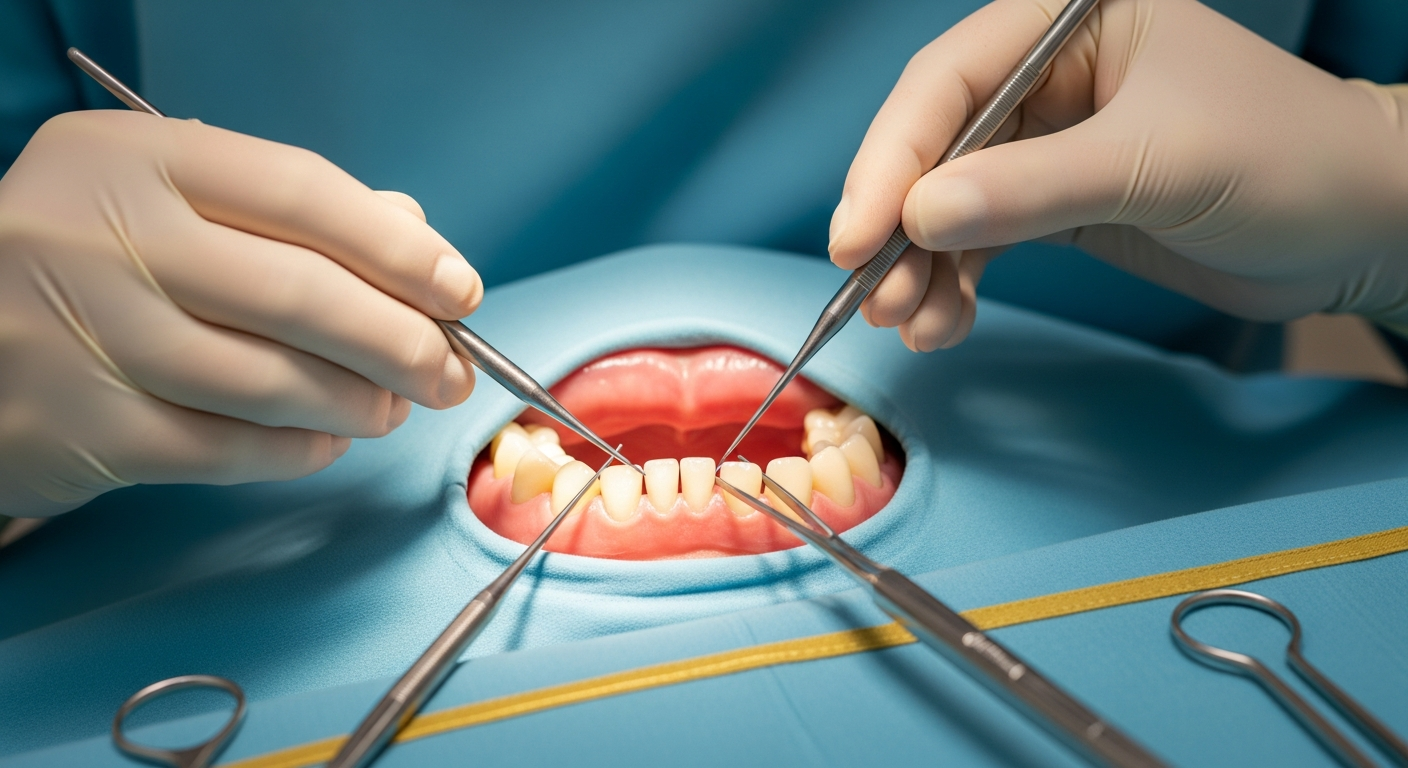
When pockets are too deep for non-surgical cleaning, surgical procedures are necessary. Flap surgery allows the dentist to access deep deposits. Bone grafts can rebuild lost jawbone. Gum grafting can restore receded gums. These procedures stabilize the condition and halt further deterioration.
Periodontal Maintenance (Ongoing)
After active treatment, periodontal maintenance every 3–4 months is essential to prevent recurrence. These visits monitor pocket depths, reinforce home care techniques, and remove bacteria before they can re-establish colonies. Periodontal disease is a chronic condition — it can be controlled but requires ongoing professional management.
Preventing Gum Disease: Your Daily Defense Plan
The Non-Negotiable Daily Routine
- Brush for 2 full minutes, twice daily — use a soft-bristled brush and hold it at a 45-degree angle to the gumline to clean below the gum margin where bacteria concentrate.
- Floss every day without exception — flossing removes plaque from between teeth and below the gumline in areas a toothbrush physically cannot reach. This is where most gum disease begins.
- Use an antibacterial mouthwash — an alcohol-free mouthwash with chlorhexidine or cetylpyridinium chloride reduces bacterial load in the mouth.
- Clean your tongue — bacteria that accumulate on the tongue surface contribute to bad breath and overall bacterial load in the mouth.
Lifestyle Choices That Protect Your Gums
- Quit smoking — the single most impactful thing a smoker can do for their gum health
- Manage diabetes proactively with your physician
- Eat a balanced diet rich in vitamins C and D, calcium, and omega-3 fatty acids
- Stay hydrated — saliva is a natural antibacterial defense
- Manage stress with exercise, meditation, or professional support
Professional Maintenance
Even with perfect home care, professional cleaning every 6 months is essential. Certain areas of the mouth are physically inaccessible to brushing and flossing, and tartar can only be removed professionally. Your 6-monthly checkup also catches new gum disease signs before they progress.
✨ Conclusion
Gum disease is the most common chronic infection affecting adults today — yet it remains one of the most preventable and treatable conditions in all of dentistry. The key is recognizing the early signs and acting promptly before irreversible damage occurs.
If your gums bleed, look swollen, or you have persistent bad breath — these are signals that deserve professional attention, not home remedies. At Dental Wellness Bathinda, our periodontal specialists use advanced diagnostic tools and evidence-based treatments to stop gum disease in its tracks — protecting your teeth, your smile, and your overall health.
Your gums are the foundation of your smile. Protect them today.
❓ Frequently Asked Questions
Gingivitis (early stage) is fully reversible. Advanced periodontitis can be controlled but the bone loss it causes is permanent — making early treatment absolutely critical.
Bleeding when brushing, red or swollen gums, persistent bad breath, and slightly receding gums are the earliest warning signs.
Yes — advanced gum disease is the leading cause of tooth loss in adults. It destroys the bone and tissue that hold teeth in place.
Early stages: professional scaling. Advanced stages: deep cleaning (scaling & root planing), antibiotic therapy, and potentially surgery.
Yes. Research shows a strong connection. Oral bacteria can enter the bloodstream and contribute to arterial inflammation and cardiovascular risk.
Every 6 months for most patients. Those with a history of gum disease need maintenance visits every 3–4 months.