Habits That Can Damage Your Veneers
Your porcelain veneers are a significant investment in your smile. Here's the complete guide to protecting them — and the everyday habits you must stop doing immediately.
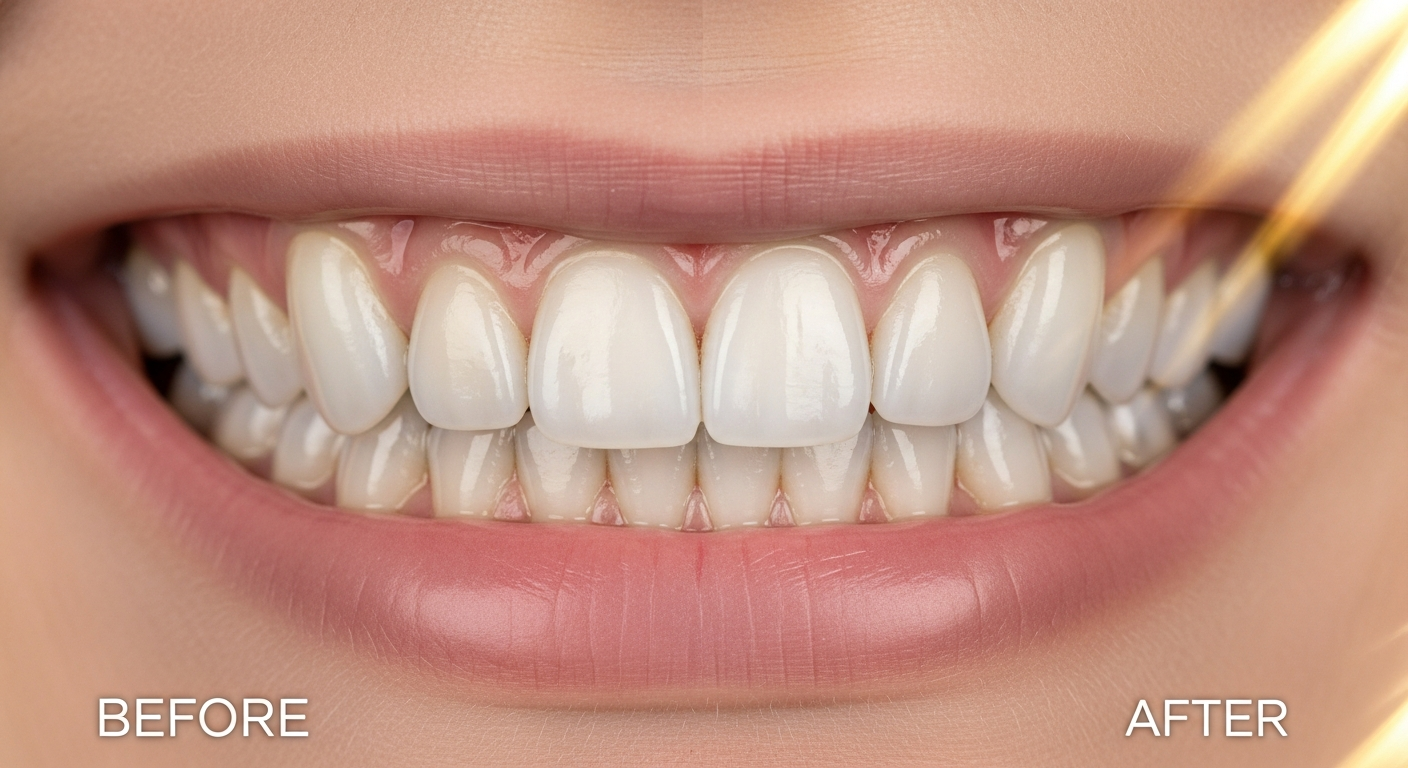
You've made the decision. You've completed the appointments. You've seen the transformation — and your new porcelain veneers have given you the smile you always wanted. Now comes the equally important question: how do you make them last?
Dental veneers, particularly porcelain veneers, are extraordinarily durable — but they are not indestructible. Certain daily habits, dietary choices, and lifestyle patterns can chip, crack, stain, or even dislodge them — shortening their lifespan significantly.
The good news? With awareness and a few straightforward changes, you can protect your veneers for 15 years or more. This guide covers every habit that puts veneers at risk — and exactly what to do instead.
Habits That Damage Veneers — The Complete List
1. Teeth Grinding (Bruxism)
Teeth grinding — whether during sleep or while awake — is one of the most damaging habits for dental veneers. The repetitive, forceful contact between upper and lower teeth generates enormous pressure that can progressively chip, crack, or fracture the porcelain surface. Many patients grind their teeth without realizing it — often discovered by a partner who hears the grinding at night, or by a dentist who notices the characteristic wear patterns. If you've been told you grind, or wake with a sore jaw, headaches, or facial muscle tension, you almost certainly need a custom nightguard to protect your veneers and natural teeth.
Solution: A custom-fitted nightguard from Dental Wellness Bathinda is an essential investment for any veneer patient who grinds teeth. It absorbs and redistributes grinding forces to protect both veneers and natural teeth.
2. Chewing Ice
Chewing ice is one of the most common — and most destructive — habits for dental restorations of any kind. Ice is an extremely hard substance (water in crystalline form), and the force required to fracture it easily exceeds what porcelain can comfortably withstand. A single enthusiastic bite on a large ice cube can chip or crack a veneer instantly. Even chewing smaller pieces of ice repeatedly subjects veneers to cumulative microcracking that shortens their lifespan significantly.
Solution: Break this habit entirely. If you regularly crave ice (a condition called pagophagia), it may indicate an underlying iron deficiency — worth discussing with your physician.
3. Biting Hard Foods with Your Front Teeth
Veneers are placed on the front teeth, which are designed for cutting — not crushing hard foods. Biting directly into hard foods like apples, hard rolls, raw carrots, or hard nuts with your front veneer teeth places excessive bending and shear forces on the thin porcelain shells, risking chips and cracks. This doesn't mean avoiding these foods entirely — it means changing how you eat them.
Solution: Cut hard foods into small, bite-sized pieces and chew them with your back teeth (which are designed for crushing). Use a knife and fork for hard fruits and vegetables. Enjoy nuts in smaller portions rather than biting into whole ones.
4. Using Teeth as Tools
One of the most common — and entirely preventable — causes of veneer damage. Tearing open packaging, ripping price tags, opening bottle caps, biting fingernails, or holding objects between your teeth all subject veneers to forces and angles they were never designed to handle. A moment of convenience can result in an expensive, painful chip that requires immediate repair or replacement.
Solution: Keep scissors, a bottle opener, and nail clippers accessible. Make a conscious effort to reach for these tools rather than your teeth. The habit feels deeply ingrained — but with awareness, it can be broken quickly.
5. Smoking and Tobacco Use
While porcelain veneers are far more stain-resistant than natural enamel, the gum tissue around them is not. Smoking stains gums, creating an unsightly dark margin between the veneer and gum. Additionally, tobacco chemicals dry the mouth, reducing protective saliva, and contribute to gum disease — which can cause gum recession that exposes the veneer edge and the underlying natural tooth. Gum recession changes the aesthetic result dramatically and can require significant corrective treatment.
Solution: Quitting smoking protects your veneers, your gums, your natural teeth, and your overall health. Discuss cessation options with your physician for support.
6. Using Abrasive Toothpaste
Many whitening toothpastes and "deep clean" formulations contain abrasive particles (high RDA — Relative Dentin Abrasivity) designed to physically scrub stains off natural enamel. When used on porcelain veneers, these abrasive particles gradually scratch the highly polished glaze on the veneer surface. This microscopic scratching makes the veneer surface dull, traps pigments, and makes the veneer appear less attractive over time — essentially undoing the polished finish that makes veneers look so beautiful.
Solution: Use a gentle, non-abrasive toothpaste — ideally one specifically labeled as safe for dental restorations or sensitive teeth. Ask your dentist at Dental Wellness Bathinda for a specific recommendation. Avoid whitening toothpastes on veneers.
7. Excessive Alcohol Consumption
Moderate social drinking does not pose a significant risk to veneers. However, excessive alcohol consumption can weaken the bonding resin that holds veneers to your teeth over time. Alcohol is a solvent, and long-term exposure — particularly from swishing alcoholic drinks or high-alcohol mouthwashes — can gradually soften and degrade the dental cement, increasing the risk of veneer debonding.
Solution: Avoid mouthwashes containing high levels of alcohol (choose alcohol-free versions). Moderate overall alcohol consumption for both dental and systemic health reasons.
8. Excessive Coffee, Tea & Staining Beverages
Porcelain veneers are significantly more stain-resistant than natural teeth — a major aesthetic advantage. However, the composite resin bonding that holds them in place, and any exposed natural tooth at the margins, can stain. Excessive consumption of dark beverages creates an aesthetic mismatch between the stained margins and the veneer surface over time. Additionally, staining the natural teeth adjacent to veneers creates a color contrast that draws attention to the veneers.
Solution: Enjoy coffee and tea in moderation. Rinse your mouth with water immediately after consuming staining beverages. Use a straw to reduce contact with teeth. Attend regular professional cleanings.
9. Nail Biting
Nail biting subjects front teeth — and the veneers on them — to repetitive small forces at irregular angles. Over time, this habit can cause micro-chipping at the edges of veneers, wear down their surface, and potentially dislodge them. The habit also introduces bacteria from beneath the nails into the mouth, contributing to gum disease risk.
Solution: Apply bitter-tasting nail polish designed to discourage nail biting. Keep nails trimmed short. Consider stress-reduction techniques (nail biting is often stress-related) like meditation or fidget tools.
10. Skipping Regular Dental Checkups
Even patients with veneers frequently defer their 6-monthly dental checkups, assuming their veneers are "fine." Regular checkups are essential for veneer patients because: the gum health around veneers must be monitored; veneer margins must be inspected for any developing gaps where bacteria could accumulate; any micro-cracks can be identified and treated before they propagate; and professional cleaning preserves the polished veneer surface.
Solution: Maintain 6-monthly checkups and professional cleanings. Patients with a history of grinding or gum disease should visit even more frequently.
Food Guide: Safe, Moderate, and Avoid with Veneers
| Food/Drink | Status | Reason |
|---|---|---|
| Soft cooked vegetables | ✅ Safe | Soft texture, no risk to veneers |
| Fish, chicken, soft meats | ✅ Safe | No excessive force required |
| Pasta, rice, soft bread | ✅ Safe | Low biting force required |
| Dairy (cheese, yogurt) | ✅ Safe | Soft and calcium-rich for bone health |
| Hard raw vegetables (carrots, celery) | ⚠️ Moderate | Cut into small pieces, chew with back teeth |
| Hard fruits (apples, pears) | ⚠️ Moderate | Slice before eating — don't bite directly |
| Coffee, tea | ⚠️ Moderate | Rinse after; affects surrounding teeth margins |
| Red wine | ⚠️ Moderate | Can stain margins; rinse after |
| Ice | ❌ Avoid | High risk of chipping porcelain |
| Hard candy | ❌ Avoid | Both hard (chipping risk) and acidic |
| Popcorn kernels | ❌ Avoid | Unpopped kernels can fracture veneers |
| Whole nuts | ❌ Avoid | Very hard; high fracture risk with veneers |
| Sticky candy/toffee | ❌ Avoid | Can pull veneer off the tooth |
| Sugary sodas | ❌ Avoid | Acid erodes surrounding tooth at margins |
The Perfect Veneer Care Routine
🌅 Morning Routine
Brush with soft-bristled toothbrush and non-abrasive toothpaste for 2 minutes. Floss gently around veneer margins. Rinse with alcohol-free mouthwash.
🌙 Night Routine
Brush again thoroughly after dinner. Floss. Place your nightguard if prescribed. This is your most important dental care session — plaque removal before sleep.
🍽️ After Meals
Rinse with water after coffee, tea, or staining foods. If you can't brush, swish with water to clear food debris and reduce bacterial activity.
📅 Every 6 Months
Professional cleaning and examination at Dental Wellness Bathinda. Our hygienists use non-abrasive instruments specifically safe for porcelain surfaces.
🏃 Sports Days
Always wear a custom mouthguard during contact sports — even "low-risk" activities. A single impact can fracture a veneer instantly.
😴 Sleep
Wear your custom nightguard if you grind teeth. This single habit protects your veneers from the most common cause of veneer damage and is essential.
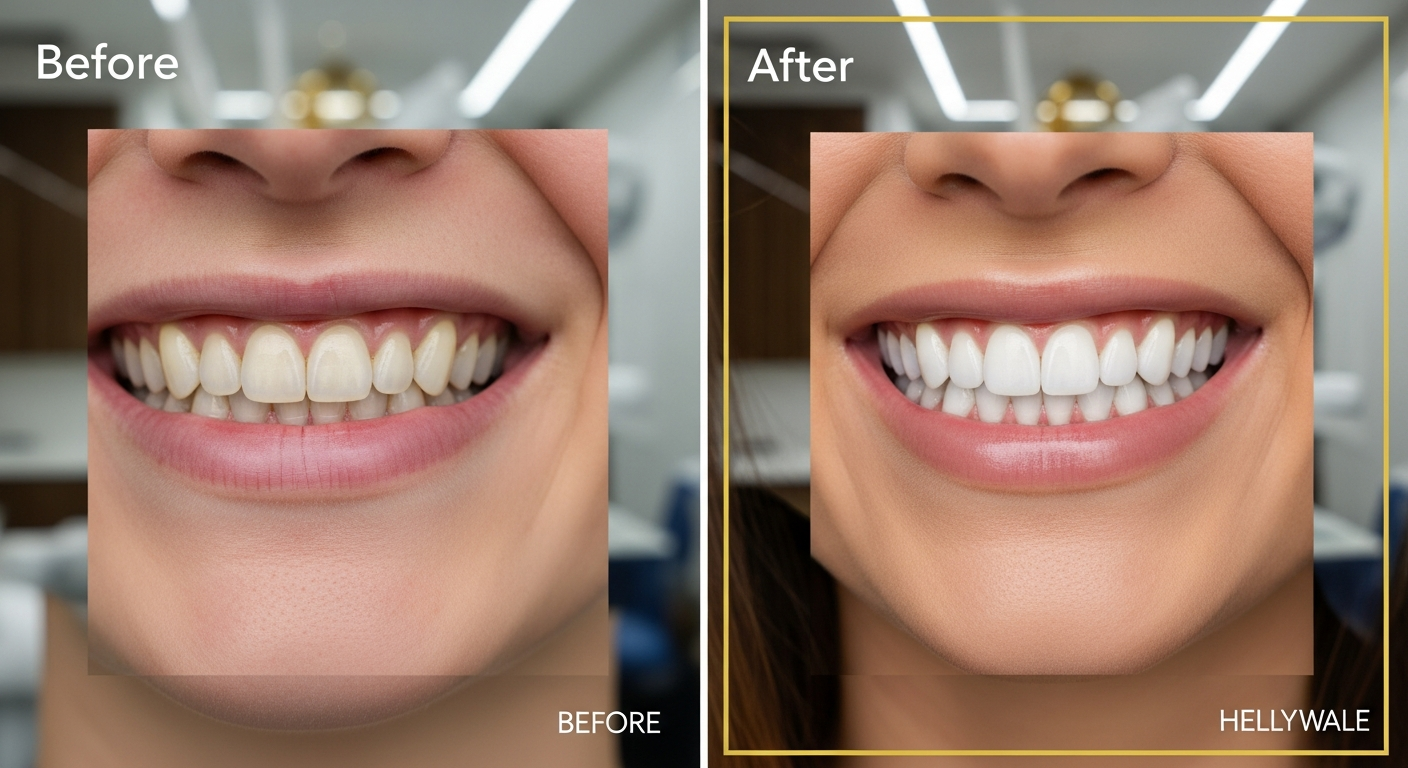
Signs Your Veneers May Need Attention
Contact Dental Wellness Bathinda if you notice any of the following:
- A chip or crack in the veneer surface
- The veneer feels loose or there is movement when biting
- Increased sensitivity around the veneer tooth
- Visible gap or darkening at the veneer margin (where veneer meets gum)
- Discomfort in your jaw or facial muscles (may indicate grinding)
- The veneer looks different in color from surrounding teeth
Early intervention for any of these signs prevents minor issues from becoming major — and expensive — problems.
✨ Conclusion
Dental veneers are one of the most rewarding investments you can make in your confidence and appearance. With proper habits and regular professional care, they will serve you beautifully for over a decade — and in many cases, much longer.
The habits to avoid are mostly common-sense once you understand the reasoning behind them. The care routine is simple and adds only minutes to your day. And the reward — a dazzling, confident smile that you protect and cherish — is absolutely worth the effort.
If you have concerns about your veneers, or you've noticed any changes in their appearance or feel, our cosmetic team at Dental Wellness Bathinda is always here to help. Your smile is our priority.
❓ Frequently Asked Questions
While durable, veneers can chip or crack under excessive force. Avoiding hard foods, grinding habits, and using teeth as tools dramatically reduces damage risk.
Yes — porcelain veneers are stain-resistant. Moderate consumption with water rinses after is perfectly fine.
Yes — bruxism is the leading cause of veneer damage. A custom nightguard is essential for grinders with veneers.
Brush gently with a non-abrasive fluoride toothpaste and soft brush. Floss daily. Avoid whitening toothpastes.
Properly bonded veneers rarely fall off. Biting hard foods, using teeth as tools, or trauma are the main risks. Contact your dentist immediately if it happens.
Contact your dentist promptly. Minor chips may be repaired; larger damage may require veneer replacement.