How to Maintain Good Oral Hygiene: Daily Dental Care Tips for Healthy Teeth
Practical, expert-backed daily habits to keep your teeth healthy, prevent cavities, and enjoy fresh breath.
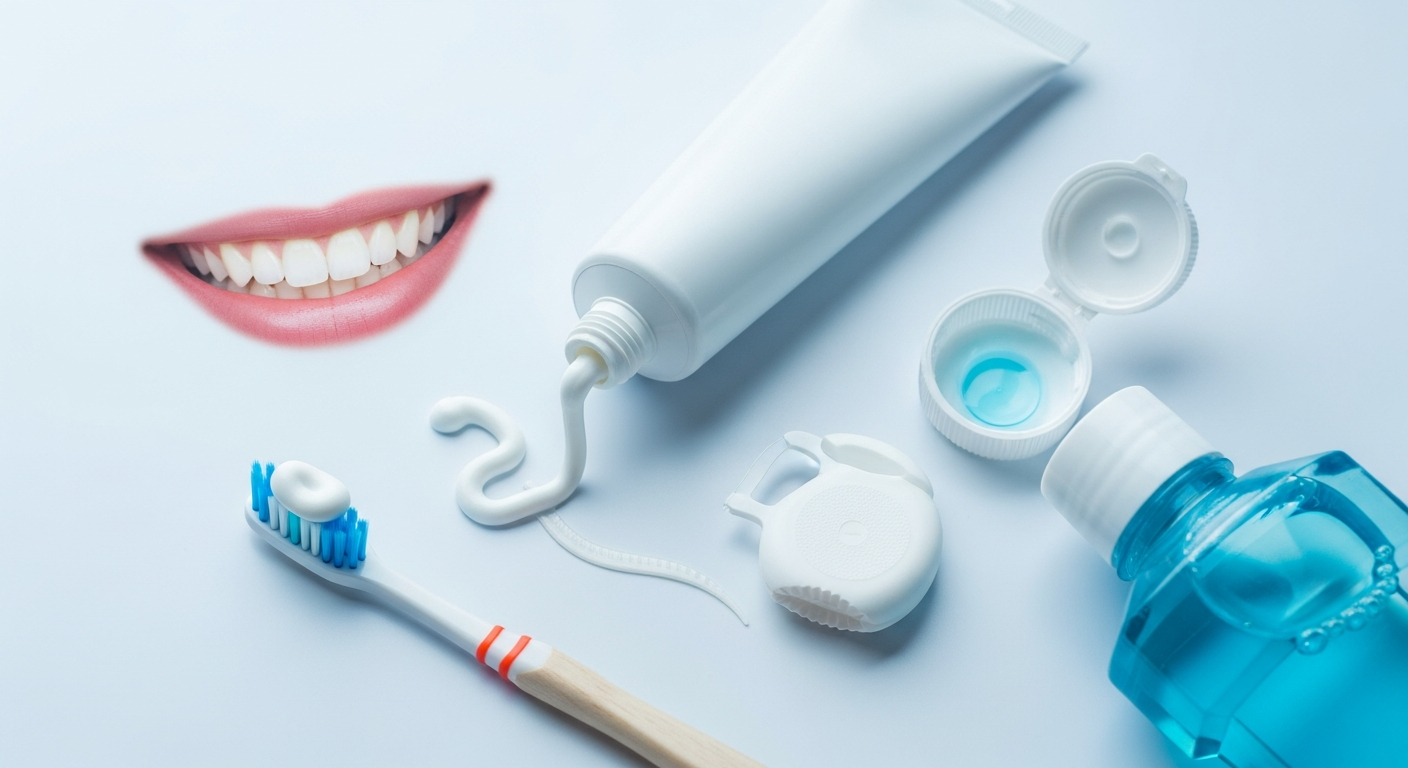
Maintaining good oral hygiene is essential for a healthy smile and overall wellness. A proper dental care routine prevents cavities, gum disease, bad breath, and even reduces the risk of systemic health issues. In this article, we explore everything you need to know about oral hygiene, daily dental care practices, and expert tips to keep your teeth and gums healthy.
What is Oral Hygiene?
Oral hygiene refers to the practices that keep your mouth clean and free of disease. This includes brushing, flossing, rinsing, and regular dental check-ups. Good oral hygiene maintains the health of your teeth, gums, tongue, and oral cavity overall.
Proper oral care removes plaque, bacteria, and leftover food particles, preventing decay, infections, and bad breath.
Why is oral hygiene important?
Oral hygiene is important as it involves habits that prevent you from getting mouth diseases, gum diseases, cavities, bad breath etc. Oral hygiene is preventative care that is essential to keep your mouth healthy. Oral health is also linked to your overall health. The mouth is the first place to show symptoms of many illnesses including diabetes. Bacteria and germs in your mouth can pass into your body through the bloodstream and cause adverse effects hence it is important to maintain good oral hygiene.
Research shows that those with periodontal diseases are at a greater risk of having cardiovascular diseases. Apart from diabetes and heart diseases, there are several other diseases that are caused by poor oral hygiene. By keeping their mouth and teeth clean one can prevent the risk of health complications.
What conditions are linked to oral health?
Oral health conditions are oftentimes considered separate from chronic conditions but these are actually inter-related.
Your oral hygiene may contribute to various diseases including
- Endocarditis - Infection of the inner lining of the heart chambers or valves. This typically happens when bacteria or germs from your mouth travel through the bloodstream and attach to certain areas in your heart.
- Pregnancy and birth complications - Periodontitis (infection of the gums) has been linked to premature birth and low body weight in newborns.
- Pneumonia - Certain bacteria can be pulled into your lungs causing pneumonia and other respiratory diseases.
- Diabetes - By reducing the body's resistance, diabetes may put your gums at risk. Gum diseases are more frequent and severe amongst those with diabetes.
- HIV/AIDS - Painful mucosal lesions are common in those suffering from AIDS/HIV
- Alzheimer's disease - Oral health becomes worse as Alzheimer's progresses.
Apart from these certain other disorders such as eating disorders, rheumatoid arthritis, certain cancers and dry mouth might be linked to oral health.
What are the Signs of Poor Oral Hygiene?
Identifying poor oral hygiene early can prevent complications. Common signs include:
- Persistent bad breath
- Bleeding or swollen gums
- Tooth sensitivity or pain
- Visible plaque or tartar buildup
- Discolored or stained teeth
- Loose or chipped teeth
If you notice any of these signs, it's crucial to visit your dentist for evaluation and treatment.
How can I improve my oral hygiene?
Good oral hygiene can protect your teeth and gums and keep your mouth healthy. For a beautiful smile, follow these oral hygiene instructions:
1) Switch to a soft bristled toothbrush
You most likely already know that you must replace your toothbrush with a new one after every three months but if you are using a toothbrush with hard bristles then it's time to replace it. Toothbrushes with hard bristles can do more harm than good. These may cause abrasion of the enamel and gums.
Use a soft-bristled toothbrush, brush in a 45 degree angle along the gums and rub in small, circular motion. Make sure you brush twice in a day to keep bacteria and plaque away.
2) Add mouthwash to your routine
If you are brushing and flossing twice then you may feel you are doing enough, but rinsing with an oral rinse or mouthwash can help you to get rid of unwanted bacteria and plaque more effectively. You must use a swish with a mouthwash for 30 seconds after brushing and flossing. A good alcohol free mouthwash can be a game changer to your oral hygiene and teeth hygiene routine.
3) Don't linger after sipping sugary drinks
It's best to avoid sugary drinks but if you will be having sugary drinks such as soda, coffee or tea then it's best to have it all at once rather than at different times throughout the day. When you constantly expose your mouth to sugar, the bacteria in your mouth uses it as food and produces lactic acid. The lactic acid dissolves the minerals in your teeth causing cavities. You can also use a straw whenever possible. Drinking using a straw helps in absorbing the drink directly and limits its contact with your teeth.
4) Eat teeth whitening foods
It's true that some food items help your teeth to stay white. Raw and fibrous foods such as apples, celery, pears, carrots, lettuce, cucumbers etc help to scrub tooth surfaces and remove plaque that is deposited on the teeth thus making teeth appear whiter.
5) Wash your toothbrush holder
Your toothbrush holder may be holding lots of germs that may not be visible to you. These bacteria can enter your toothbrush and later your mouth. Hence, it is important to wash your toothbrush holder or the surface where you keep your toothbrush. Wash it with hot water and scrub with a good dishwashing liquid.
6) Give importance to your tongue
While it's important to clean your teeth and gums, you must not ignore the tongue. Tongue is where lots of bacteria gets deposited while you have food. It important to scrape your tongue and remove the plaque causing bacteria. A good tongue cleaner can help you with teh routine of tongue cleaning. Cleaning your tongue reduces the bacteria in your mouth and also removes bad breath.
7) Visit the Dentist regularly
While most of us visit a dentist only when we experience pain or something is wrong with our dental health, regular cleanings and X rays must be a regular part of our dental hygiene. Minor issues can be identified and treated before they become major. Visiting a dentist must be considered preventive care rather than treatment.
Daily Oral Hygiene Routine: Step-by-Step Guide
Creating a consistent daily routine ensures your teeth and gums stay healthy. Here's a practical step-by-step guide:
Morning
- Brush teeth with fluoride toothpaste for 2 minutes
- Floss between all teeth
- Use an antibacterial or fluoride mouthwash
- Clean your tongue with a scraper
Throughout the Day
- Drink water frequently to rinse away bacteria
- Avoid sugary snacks and acidic drinks
- Chew sugar-free gum after meals to stimulate saliva
Evening
- Brush again before bed
- Floss or water floss to remove trapped food
- Rinse with mouthwash
- Optional: Apply fluoride gel if recommended by your dentist
This routine ensures that plaque is removed, gums stay healthy, and your teeth remain strong and cavity-free.
Common Mistakes to Avoid in Oral Hygiene
Even with daily care, some habits can undermine your oral health. Avoid these mistakes:
- Brushing too hard: Can damage enamel and irritate gums
- Skipping flossing: Leads to plaque buildup between teeth
- Using the wrong toothbrush: Hard-bristled brushes can cause gum recession
- Neglecting tongue cleaning: Causes bad breath and bacterial buildup
- Infrequent dental visits: Prevents early detection of cavities or gum disease
- Overusing mouthwash: Alcohol-based mouthwashes can dry out the mouth and damage oral tissue
Avoiding these mistakes, combined with the right oral care products, ensures your dental hygiene routine is effective and long-lasting.
Lifestyle Habits That Support Oral Health
Good oral hygiene isn't just about brushing and flossing—your daily lifestyle plays a big role in maintaining healthy teeth and gums.
Healthy Lifestyle Tips for Oral Health:
- Quit smoking and avoid tobacco: Tobacco stains teeth, damages gums, and increases the risk of oral cancer.
- Limit alcohol consumption: Excessive alcohol can dry out the mouth and erode enamel.
- Manage stress: Stress can lead to teeth grinding (bruxism), which damages teeth and jaw joints.
- Eat a balanced diet: Include calcium-rich foods, fruits, vegetables, and lean proteins to strengthen teeth and support gum health.
- Stay hydrated: Water helps wash away food particles, bacteria, and acids, keeping your mouth clean.
By incorporating these healthy lifestyle habits, you enhance the effectiveness of your daily oral care routine and maintain a long-lasting, healthy smile.
Which Oral Hygiene Products Should I Use?
Choosing the right products is essential for effective oral hygiene. Each product plays a unique role in protecting your teeth and gums, preventing cavities, and promoting fresh breath.
1. Toothbrush: Soft-Bristled, Electric, or Manual
The toothbrush is the most basic but crucial tool for oral hygiene.
- Soft-bristled toothbrushes are recommended because they clean effectively without damaging the enamel or irritating the gums.
- Electric toothbrushes can be more efficient, especially for those who struggle with manual brushing techniques. They often come with timers to ensure you brush for the recommended 2 minutes.
- Manual toothbrushes are also effective if used correctly, with gentle circular motions along the gumline and all tooth surfaces.
A good toothbrush removes plaque, food particles, and surface stains, helping prevent tooth decay and gum disease.
2. Toothpaste: Fluoride Toothpaste for Enamel Protection
Toothpaste does more than just freshen breath.
- Fluoride toothpaste strengthens the enamel, making teeth more resistant to acids produced by bacteria.
- It also helps repair early signs of tooth decay and prevents cavities.
- Many toothpastes also include antibacterial agents that reduce plaque and prevent gum inflammation.
Using fluoride toothpaste twice daily is a cornerstone of effective oral hygiene.
3. Floss: Traditional Floss, Floss Picks, or Water Flossers
Flossing cleans the areas between your teeth that your toothbrush cannot reach.
- Traditional dental floss is highly effective for removing plaque and trapped food.
- Floss picks are convenient for travel or quick use.
- Water flossers use a gentle stream of water to clean between teeth and below the gumline, which can be especially helpful for people with braces, bridges, or sensitive gums.
Regular flossing prevents cavities, gum inflammation, and bad breath by targeting hidden plaque buildup.
4. Mouthwash: Antibacterial or Fluoride-Based
Mouthwash is a helpful supplement to brushing and flossing.
- Antibacterial mouthwashes reduce harmful bacteria in the mouth, lowering the risk of gum disease and infections.
- Fluoride-based mouthwashes help strengthen enamel and prevent tooth decay.
- Mouthwash can also freshen breath and reach areas that brushing and flossing might miss.
For maximum benefit, use mouthwash after brushing and flossing as part of your daily routine.
5. Tongue Scraper: Helps Remove Bacteria and Prevent Bad Breath
The tongue is a common area where bacteria accumulate, causing bad breath and contributing to plaque buildup.
- Tongue scrapers gently remove bacteria, food debris, and dead cells from the surface of the tongue.
- This helps reduce bad breath and improves overall oral cleanliness.
Using a tongue scraper daily complements brushing, flossing, and mouthwash for a fresher mouth and healthier gums.
What are the advantages of good oral hygiene?
The advantages of a good oral hygiene are many such as
- 1) Healthier teeth and gums
- 2) Reduced chance of teeth decay
- 3) Reduced chances of cavities
- 4) Less expenditure on dental care. Preventative care is less expensive than emergency care.
- 5) Fresher breath
- 6) Better smile and whiter teeth
- 7) Better gum health
- 8) Lower risk of cancer
- 9) Lower risk of stroke, type 2 diabetes
- 10) Healthier pregnancy and stronger fertility.
Proper oral hygiene and teeth hygiene is the key to optimal oral care. Regular brushing, flossing and using mouthwash and tongue cleaner are important to maintain and improve your oral health. Regular dental visits are also important to ensure regular check ups and regular oral cleanings. A good oral hygiene can do wonders to your oral hygiene and teeth hygiene and your body as well.
Conclusion
Good oral hygiene is essential for healthy teeth, gums, and overall wellbeing. By incorporating proper brushing, flossing, mouthwash, a healthy diet, and regular dental visits into your routine, you can prevent common dental problems and maintain a confident smile.
Consistency is key—small daily habits lead to long-term oral health and a happier, healthier life.
FAQs
Use a soft-bristled toothbrush with fluoride toothpaste, brush for 2 minutes twice a day, and reach all surfaces, including the back teeth and tongue.
Floss at least once daily to remove plaque and food particles from areas your toothbrush cannot reach.
No. Mouthwash is an adjunct to brushing and flossing, not a replacement. It helps reduce bacteria and freshen breath.
Fruits, vegetables, dairy products, and lean proteins strengthen teeth and gums. Avoid sugary, sticky, and acidic foods.
Regular dental check-ups every six months help detect cavities, gum disease, and other oral problems early.
Yes. Poor oral hygiene is linked to gum disease, tooth loss, and systemic conditions like diabetes and heart disease.
A soft-bristled toothbrush, fluoride toothpaste, dental floss or water flosser, mouthwash, and a tongue scraper are essential for daily oral care.