Teeth Whitening Treatment: Is It Safe and Effective for a Brighter Smile?
A comprehensive guide to safe, effective whitening methods, costs, benefits and aftercare.
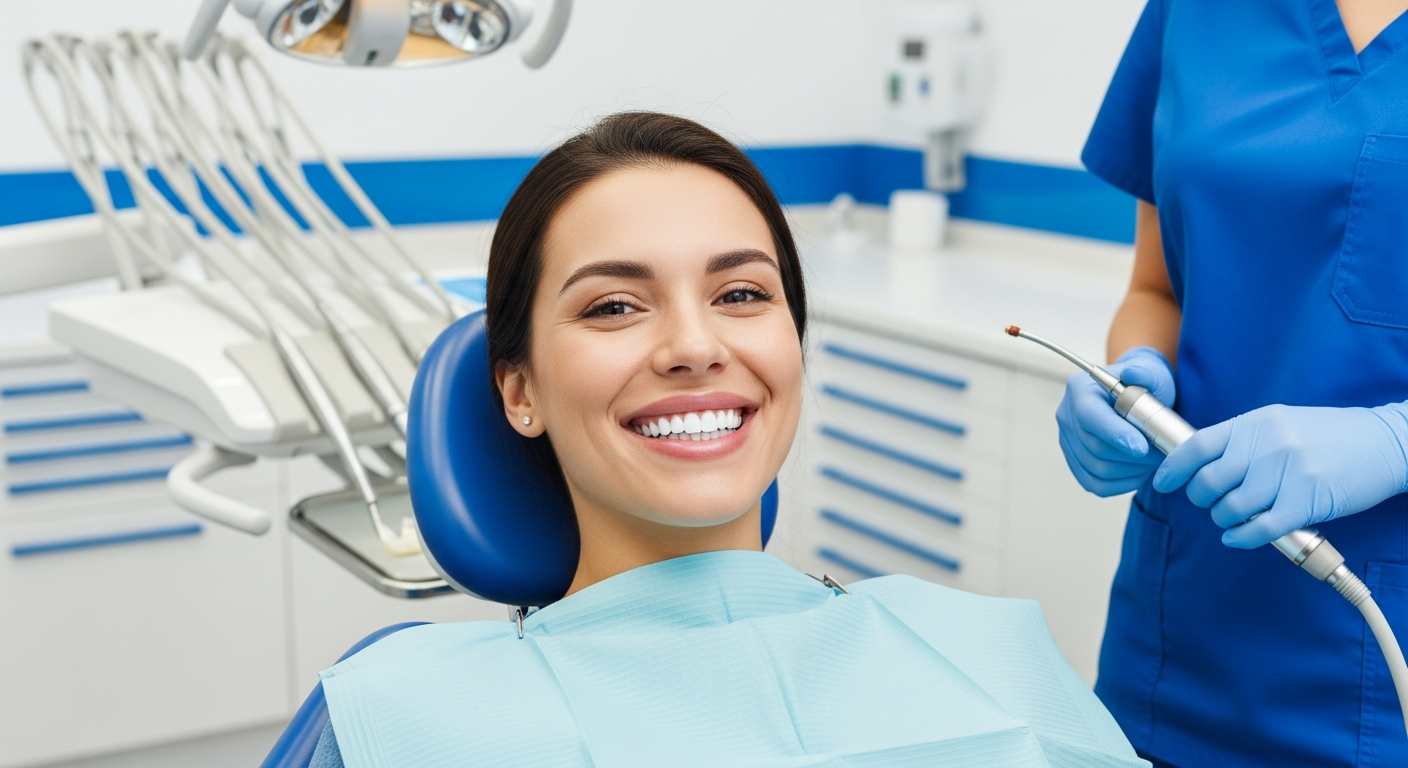
A bright smile has a quiet kind of power. It opens conversations, builds confidence, and leaves a lasting impression. Yet, over time, even the healthiest teeth can lose their natural shine due to daily habits, aging, and lifestyle choices. That's where teeth whitening treatment steps in—a popular cosmetic solution designed to restore brightness and elevate your smile.
But with popularity comes curiosity and concern. Many people wonder: Is teeth whitening safe? Does it really work? And which method is best?
This comprehensive guide answers all those questions and more, helping you make an informed decision before starting your whitening journey.
What Is Teeth Whitening Treatment?
Teeth whitening treatment is a cosmetic dental procedure that lightens the color of your teeth by removing stains and discoloration. It does not change the natural structure of your teeth but enhances their appearance by making them look brighter and cleaner.
The process typically involves bleaching agents such as hydrogen peroxide or carbamide peroxide. These compounds break down stains into smaller particles, reducing their concentration and making your teeth appear whiter.
Types of Teeth Whitening Treatments
There are multiple whitening options available, each catering to different needs, budgets, and expectations.
1. Professional Teeth Whitening
This is performed by a dentist and is considered the most effective and safest method.
Types:
- In-office bleaching
- Laser teeth whitening
Advantages:
- Immediate and noticeable results
- Stronger bleaching agents
- Controlled and safe procedure
Disadvantages:
- Higher cost compared to other methods
Professional whitening is like taking the express lane—it gets you fast, reliable results.
2. At-Home Whitening Kits
These include dentist-prescribed kits or over-the-counter products.
Common Options:
- Whitening strips
- Gel trays
- Whitening pens
Pros:
- Affordable
- Convenient
- Easy to use
Cons:
- Slower results
- Less dramatic whitening
These are ideal for people who prefer gradual improvement from the comfort of their home.
3. Whitening Toothpaste and Products
These products contain mild abrasives and small amounts of whitening agents.
Benefits:
- Helps maintain whitening results
- Removes surface stains
Limitations:
- Cannot significantly change tooth color
Think of these as maintenance tools rather than transformation solutions.
Is Teeth Whitening Safe?
Yes, teeth whitening is generally safe when done correctly and under proper guidance.
Safe Practices Include:
- Consulting a dentist before treatment
- Using approved whitening products
- Following instructions carefully
Possible Side Effects:
1. Tooth Sensitivity
Temporary sensitivity is the most common side effect, especially with stronger treatments.
2. Gum Irritation
Improper application of whitening agents can irritate gums.
3. Uneven Results
Fillings, crowns, or veneers do not respond to whitening agents.
These side effects are usually temporary and can be managed with proper care.
How to Maintain Whitened Teeth
Teeth whitening is not permanent, but you can extend the results with proper care.
Daily Habits:
- Brush twice a day
- Floss regularly
- Rinse after meals
Lifestyle Tips:
- Limit coffee, tea, and red wine
- Avoid smoking
- Use a straw for colored beverages
Regular Dental Care:
- Schedule routine dental cleanings
- Use whitening toothpaste for maintenance
A little discipline goes a long way in preserving that bright smile.
Professional vs At-Home Whitening
Choosing between professional and at-home whitening depends on your goals and lifestyle.
| Feature | Professional Whitening | At-Home Whitening |
|---|---|---|
| Speed | Fast results | Gradual results |
| Cost | Higher | Lower |
| Effectiveness | High | Moderate |
| Safety | Supervised | Depends on usage |
If you want quick and dramatic results, professional whitening is the better option. If you prefer affordability and convenience, at-home treatments can still be effective with patience.
What Should You Do After In-Office Teeth Whitening Treatment?
After your in-office teeth whitening treatment, it is important to follow proper aftercare to maintain and enhance your results. While relaxing is encouraged, certain precautions must be taken to protect your newly whitened teeth.
Immediately after the procedure, your teeth become more porous and temporarily more susceptible to staining. For this reason, dental professionals strongly recommend avoiding staining foods and beverages for at least 48 to 72 hours. Gradually, you can reintroduce these items, but for optimal and long-lasting results, it is best to limit highly pigmented foods for up to a week.
Foods to Avoid After Teeth Whitening
To preserve the brightness of your smile, avoid the following items:
- Coffee and tea
- Red wine
- Soft drinks
- Carrots
- Tomatoes
- BBQ sauce
- Hot sauces (such as Texas Pete)
- Red wine vinegar
- Soy sauce
- Blueberries
- Beets
- Curry
These foods and drinks contain strong pigments that can easily stain your teeth during the sensitive post-treatment period.
Key Recommendation
While these foods are commonly enjoyed, consuming them too soon after your teeth whitening treatment can reduce its effectiveness and shorten the longevity of your results. Being mindful of your diet during the first few days plays a crucial role in maintaining a brighter, whiter smile.
Choosing the Best Cosmetic Dentist and Dental Clinic in Delhi
Selecting the right dentist near me and the best dental clinic is crucial for a successful teeth whitening experience. Delhi boasts some of the best cosmetic dentists in India, offering top-notch services and state-of-the-art facilities.
Factors to Consider
When choosing the best dental clinic in Delhi, consider the following factors:
- Reputation: Look for clinics with positive reviews and testimonials from patients who have undergone teeth whitening in India and Delhi.
- Expertise: Ensure the best cosmetic dentist clinic and has extensive experience in teeth whitening procedures.
- Technology: Opt for clinics equipped with the latest technology and modern techniques for teeth whitening in Delhi.
- Comfort and Care: Choose a clinic that prioritises patient comfort and provides personalised care.
Maintaining Your Whitened Smile
Achieving a bright smile is just the beginning; maintaining it requires ongoing care and attention. Here are some tips to keep your teeth white and healthy after a whitening treatment:
- Good Oral Hygiene: Brush twice a day, floss regularly and use a mouthwash to keep your teeth clean and free from stains.
- Avoid Staining Foods and Drinks: Limit consumption of coffee, tea, red wine, and other staining foods and beverages.
- Quit Smoking: Smoking is a major cause of tooth discoloration, so quitting can help maintain your white smile.
- Regular Dental Check-ups: Visit your dentist regularly for check-ups and professional cleanings to keep your teeth in optimal condition.
How Can You Maintain Teeth Whitening Results for a Longer Time?
Maintaining the results of your teeth whitening treatment largely depends on your daily oral care habits and lifestyle choices. With the right approach, you can keep your smile brighter for a significantly longer period.
The most important step is to follow a consistent oral hygiene routine. Brushing your teeth twice a day and flossing daily helps remove plaque and prevent new stains from forming. These simple habits play the biggest role in preserving your whitening results.
In addition to oral care, it is advisable to limit the consumption of staining foods and beverages such as coffee, tea, and red wine. While occasional intake is acceptable, frequent exposure can gradually dull the brightness of your teeth.
Smoking is another major factor that can quickly reverse whitening results. Tobacco products cause deep discoloration and are one of the leading reasons for persistent staining. Avoiding smoking not only helps maintain your smile but also improves overall oral health.
For long-term maintenance, professional touch-ups can be beneficial. A quick in-office whitening session once a year is often enough to restore brightness and keep your smile looking fresh.
Final Verdict: Is Teeth Whitening Worth It?
Teeth whitening treatment is both safe and effective when done properly. It offers a simple yet powerful way to enhance your smile and boost confidence.
Whether you choose a professional treatment or a home-based solution, the key lies in making informed decisions and maintaining good oral care habits.
Conclusion
Your smile is one of your most valuable assets, and keeping it bright doesn't have to be complicated. Teeth whitening treatment provides a reliable and accessible way to restore the natural beauty of your teeth.
With the right approach, proper care, and realistic expectations, achieving a radiant smile is not just possible—it's sustainable.
So if your smile feels a little dim, consider whitening as your reset button. A brighter, more confident version of you might just be a treatment away.
Frequently Asked Questions
Yes, teeth whitening treatment is safe when performed by a dentist or using clinically approved products. Professional supervision minimizes risks like sensitivity and gum irritation.
Teeth whitening results typically last 6 months to 2 years, depending on your diet, oral hygiene, and habits like smoking or drinking coffee and tea.
Professional in-office whitening is the most effective method, delivering instant and noticeable results in a single session compared to slower at-home options.
Yes, even heavily stained or yellow teeth can be significantly whitened. However, results vary based on the type of stains and may require multiple sessions.
The most common side effects are temporary tooth sensitivity and mild gum irritation. These usually fade within a few days after treatment.
Yes, professional teeth whitening is worth it for faster, safer, and longer-lasting results, especially if you want a noticeable improvement in your smile.